
Private atrial fibrillation clinic in London, same-day cardiology.
Atrial fibrillation (AF) is an irregular, often fast heart rhythm that can cause palpitations, breathlessness and tiredness — and it multiplies stroke risk about fivefold, so prompt diagnosis and stroke-risk assessment matter. Our private cardiology clinic in East London offers same-day atrial fibrillation assessment with a private cardiologist, diagnosis and a clear treatment plan — usually without a referral and often the same day.
Call 999 now if you have chest pain lasting more than 15 minutes, severe breathlessness, or signs of a stroke (face drooping, arm weakness, slurred speech). This clinic is for non-emergency assessment.
Book onlineChoose a time in a few taps. Booking opens right here on our website.
Payment information: We currently operate on a self-pay basis and do not offer direct billing with Bupa or other private medical insurers. Insurance information
The condition
What is atrial fibrillation?
Atrial fibrillation (AF) is the most common heart rhythm problem, caused by disorganised electrical signals in the heart's upper chambers. It can cause palpitations, breathlessness, tiredness and dizziness — but many people have no symptoms and only find out at a routine check. However it shows up, AF matters because it multiplies the risk of stroke about fivefold, which is why prompt diagnosis and stroke-risk assessment are so important.
- Paroxysmal AF (comes and goes)
- Persistent AF
- Permanent AF
- Atrial flutter & related rhythms
- AF found on a routine ECG
- Palpitations needing a diagnosis
Understanding atrial fibrillation
Atrial Fibrillation: symptoms, causes, tests & treatment
Call 999 if you have
- face droop, arm weakness or speech difficulty — act FAST
- chest pain lasting more than 15 minutes, or with sweating and nausea
- severe breathlessness at rest, or coughing frothy sputum
- fainting, or feeling you are about to lose consciousness
- a very fast pulse with dizziness and chest tightness
AF greatly increases stroke risk, and stroke symptoms need an ambulance immediately — clot-busting treatment is time-limited. In an emergency call 999; the nearest emergency department is the Royal London Hospital, Whitechapel Road, London E1 1FR, a major stroke centre.
Checking your own pulse
This takes thirty seconds and finds a condition that is silent in around a third of people who have it. Place two fingers on the inside of your wrist below the thumb. A normal pulse is regular — even spacing, like a metronome. In AF it is irregularly irregular: no pattern at all to the gaps, and often fast. If it feels chaotic, get an ECG.
Symptoms, if any
- palpitations — fluttering, thumping or racing in the chest
- breathlessness, particularly on exertion
- fatigue and reduced exercise tolerance
- dizziness, light-headedness, chest discomfort
- Around a third of people have no symptoms and are found incidentally
Aspirin is not the treatment for stroke prevention in AF
For decades aspirin was given to people with AF who could not or would not take warfarin. It is no longer recommended — it is substantially less effective than anticoagulation and carries a similar bleeding risk, so it offers the worst of both. Current treatment is a direct oral anticoagulant (apixaban, rivaroxaban, edoxaban or dabigatran), or warfarin in specific circumstances. If you have AF and are on aspirin alone for stroke prevention, that warrants a review.
Assessing your stroke risk
The score counts age, sex, high blood pressure, diabetes, heart failure, vascular disease and previous stroke. Anticoagulation is recommended for most men scoring 1 or more and women scoring 2 or more. Bleeding risk is assessed to identify modifiable factors — blood pressure, alcohol, medicines — not to withhold treatment.
Rate or rhythm
- Rate control — letting the rhythm stay irregular but slowing it, usually with a beta-blocker. Appropriate for many people, particularly if symptoms are mild.
- Rhythm control — restoring normal rhythm with medication, cardioversion or catheter ablation. Favoured for younger people, those with symptoms despite rate control, and where AF is recent.
- Anticoagulation continues regardless of which strategy is chosen, and usually even after successful ablation — because AF can recur silently.
What you can change
Reduces AF burden
- Losing excess weight — strong evidence, 10% loss meaningfully reduces episodes
- Treating sleep apnoea, which is present in many people with AF
- Reducing alcohol — one of the clearest triggers
- Controlling blood pressure and diabetes
- Regular moderate exercise
Common triggers
- Binge drinking — so-called holiday heart
- Caffeine in some people, though less than commonly assumed
- Dehydration and acute illness
- An overactive thyroid — always checked at diagnosis
- Stimulants and some decongestants
Driving
You do not need to tell the DVLA about AF for an ordinary car or motorcycle licence provided symptoms are controlled and you are not disabled by dizziness or fainting. If AF has caused you to faint or feel you might, you must stop driving and notify the DVLA. Bus, coach and lorry licences have stricter requirements. We can advise on your particular case.
Same-day heart tests we offer
Everything to assess your heart, under one roof
Accurate diagnosis needs the right tests — and we offer them in-house, with results explained at the same visit.

ECG & Heart Check
Confirms the heart rhythm in minutes.
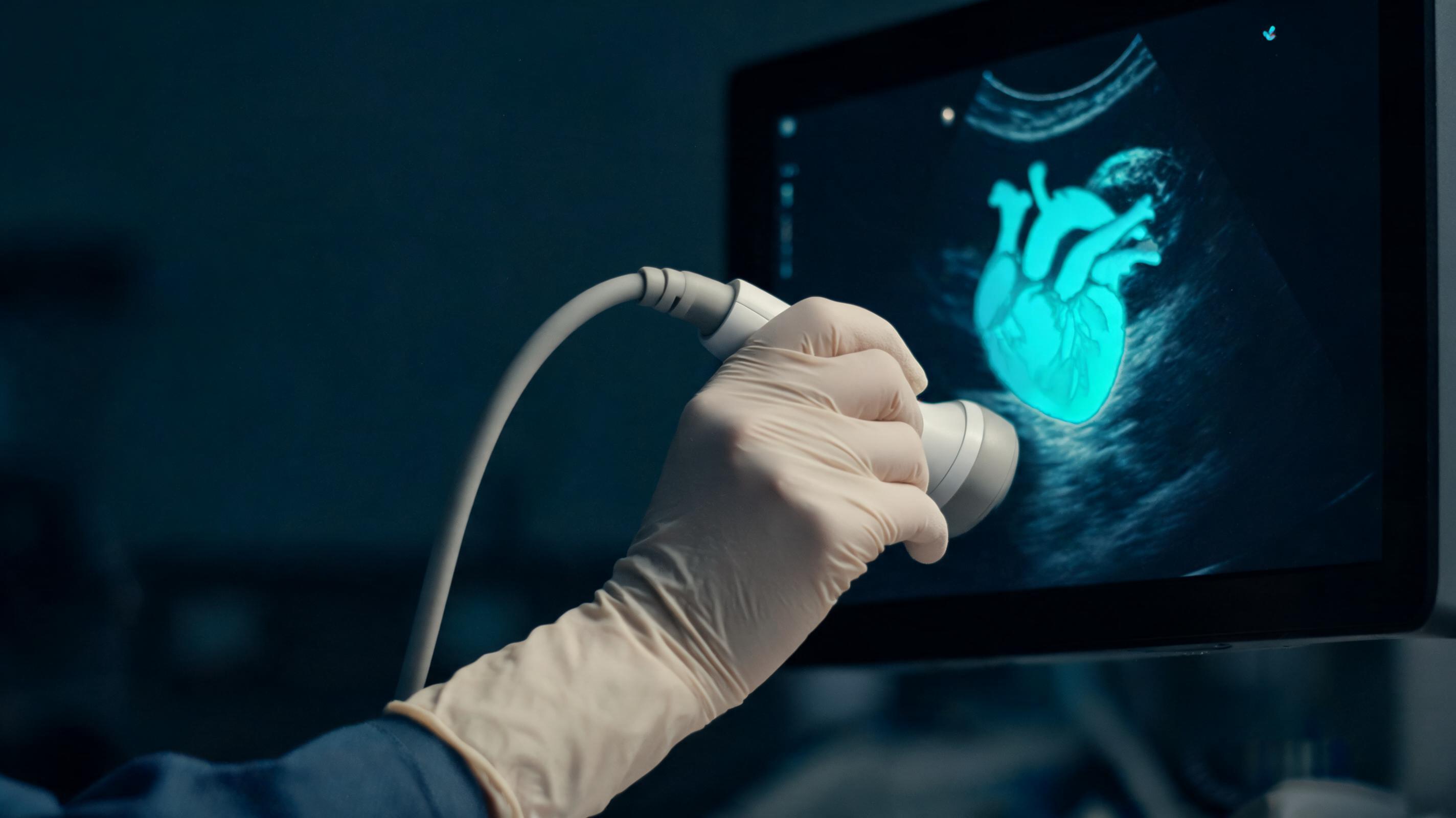
Private Echocardiogram
Ultrasound of the heart's structure and function.
Cardiac Diagnostics
Ambulatory monitoring & deeper cardiac tests.

Private Blood Tests
Cholesterol, thyroid, kidney & clotting checks.

Private GP
Same-day GP assessment to start your care.

Health MOT
A full cardiovascular risk review.
Simple & reassuring
Seen today, in three easy steps
Book in a minute
Book online any time or call reception — no GP referral needed for most appointments.
Seen the same day
A GMC-registered clinician assesses you, with heart tests done in-house where possible.
Diagnosis & plan
You leave with a clear diagnosis, your results explained, and a treatment plan.
Private assessment
See a private cardiologist for atrial fibrillation in London
At our private cardiology clinic on Whitechapel Road in East London, you can see a private cardiologist or atrial fibrillation doctor without a referral — most days, often the same day. A private GP in East London or consultant cardiologist will assess you, arrange the right tests and explain your diagnosis and treatment options clearly. We help patients across East London, Canary Wharf, the City, Docklands and Aldgate who want fast, private answers about atrial fibrillation.
Local, private, fast
A private cardiology clinic for East London & Canary Wharf
Tower Bridge Hospital is on Whitechapel Road in the heart of East London — minutes from Canary Wharf, the City of London, Docklands and Aldgate. Patients across Tower Hamlets, Wapping, Limehouse and Bethnal Green choose us for a fast, private atrial fibrillation appointment with a cardiologist, without the wait or the referral.
Why choose us
Why choose our East London private cardiology clinic
- Same-day, no referral — private GP and cardiology under one roof
- Consultant-led cardiology with GMC-registered clinicians
- In-house diagnostics — ECG, echo & monitoring, results the same visit
- Minutes from Canary Wharf & the City of London
- A named clinician who explains your results clearly
- Transparent pricing and a plan you can act on
Ready when you are
See a private cardiologist for atrial fibrillation — the same day.
Book a private atrial fibrillation assessment in East London: same-day appointments, cardiologist-led care and a clear plan. No referral needed.
Common questions
Atrial Fibrillation in London: your questions answered
Where can I find a private atrial fibrillation specialist near me in East London?
Our private cardiology clinic is on Whitechapel Road in East London, minutes from Canary Wharf and the City. You can see a private cardiologist or atrial fibrillation doctor for assessment and treatment, usually the same day and without a referral.
Can I see a private cardiologist for atrial fibrillation the same day?
Yes. We hold same-day private appointments most days, including Saturdays, so you can be assessed by a cardiologist or GP quickly, with tests done in-house where possible.
How much does a private atrial fibrillation appointment cost in London?
We keep pricing transparent — see our fees page or call 020 7916 0029, and we will explain the cost of the atrial fibrillation assessment and any tests before you book.
Do I need a referral to see a private cardiologist for atrial fibrillation?
No. You can book directly with our clinic. If you are unsure whether to start with a private GP or a cardiologist, we will guide you.
Does atrial fibrillation increase the risk of stroke?
Yes — AF raises stroke risk roughly fivefold, which is why we assess your personal risk (CHA₂DS₂-VASc) and discuss anticoagulation to protect you.
Can you monitor my heart if palpitations come and go?
Yes — for intermittent (paroxysmal) AF we arrange ambulatory heart monitoring from 24 hours up to 7 days to capture the rhythm.
Which areas do you serve for private atrial fibrillation care?
We see private patients from across East London, Canary Wharf, the City of London, Docklands, Aldgate, Wapping, Limehouse and Tower Hamlets.
Medically reviewed by Dr Haydar Bolat — Clinical Director, GMC 7138332. Last reviewed August 2026 · next review August 2027. Written in line with our editorial & content-review policy, using guidance from the NHS, NICE and the relevant royal colleges. This information is general and does not replace personal medical advice.