
Eye · Dry eye · Private clinic in East London
Dry eye treatment in East London.
Dry eye is one of the commonest eye complaints and one of the most persistently under-treated. It is usually not a lack of tears but poor tear quality — the oily layer that stops tears evaporating is missing, so the eye dries, becomes irritated, and reflexively floods with watery tears. Which is why people with dry eyes often complain of watering. Consultant ophthalmologist Dr Filis Ayan sees patients for dry eye at our clinic in Whitechapel, East London, without a GP referral — see our dry eye and blepharitis clinic.
Consultation with Dr Ayan £195
- Consultant ophthalmologist
- No GP referral needed
- Adults & children
- Whitechapel, E1

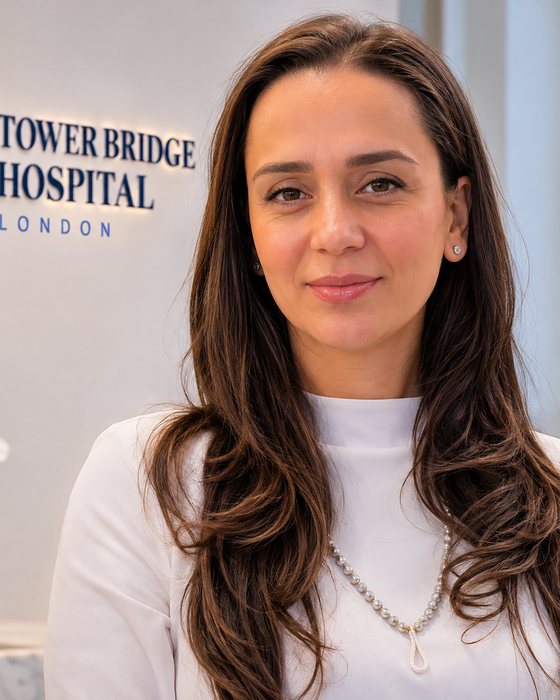 Dr Filis AyanConsultant Ophthalmologist · PhD, FEBO
- Consultant-led careGMC Specialist Register
- PhD in OphthalmologyUCL Institute of Ophthalmology
- Adults & childrenNo GP referral needed
- Whitechapel, E1Open 7 days, 9am–7pm
Book onlineChoose a time in a few taps. Booking opens right here on our website.
Payment information: We currently operate on a self-pay basis and do not offer direct billing with Bupa or other private medical insurers. Insurance information
The condition
What is dry eye?
Dry eye is one of the commonest eye complaints and one of the most persistently under-treated. It is usually not a lack of tears but poor tear quality — the oily layer that stops tears evaporating is missing, so the eye dries, becomes irritated, and reflexively floods with watery tears. Which is why people with dry eyes often complain of watering.
- What dry eye is
- Symptoms to look for
- Causes & risk factors
- Tests & diagnosis
- Treatment options
- When to see a specialist

Understanding dry eye
Dry eye: symptoms, causes, tests & treatment
Written for patients by our clinical team. If anything here sounds like you, book a consultation with Dr Ayan.
Seek same-day assessment if you have
- eye pain rather than grittiness, or a red painful eye
- reduced or blurred vision that does not clear with blinking
- marked sensitivity to light
- a red painful eye and you wear contact lenses
- dry eyes with a dry mouth and joint pains — this may be Sjögren's syndrome
Persistent severe dry eye can damage the corneal surface. Contact lens wearers with a red painful eye need examining urgently. Moorfields Eye Hospital runs a 24-hour walk-in emergency eye service; the nearest emergency department is the Royal London Hospital, Whitechapel Road, London E1 1FR.
Symptoms
- grittiness, burning, or a sensation of something in the eye
- watering, particularly in wind or cold
- tired, heavy eyes, worse through the day and after screens
- intermittent blurring that clears when you blink
- redness, crusting on the lids in the morning
- difficulty wearing contact lenses for as long as you used to
Why it happens
- Blepharitis and meibomian gland dysfunction — the oil glands in the lid margins block, so the oily tear layer fails. The commonest cause by far.
- Screen use — blink rate falls by more than half when concentrating on a screen.
- Age and hormonal change, particularly around the menopause.
- Medicines — antihistamines, antidepressants, beta-blockers, diuretics, isotretinoin, and the combined pill.
- Environment — air conditioning, central heating, fans, dust, and aircraft cabins.
- Contact lenses, and previous laser eye surgery.
- Autoimmune conditions, particularly Sjögren's, rheumatoid arthritis and thyroid eye disease.
Warm compresses are the treatment most people skip
For blepharitis and meibomian gland dysfunction, the mainstay is heat and lid hygiene, done daily and indefinitely. Apply a warm compress — a microwaveable eye bag holds heat far better than a flannel, which cools within a minute — for five to ten minutes, then gently massage the lids towards the lashes, then clean the lid margins with a lid wipe or dilute baby shampoo on cotton wool. Done properly for six weeks it transforms symptoms. Done for three days and abandoned, it does nothing.
Drops
- Preservative-free if using more than four times a day — preservatives themselves irritate the surface with frequent use.
- Thicker gels or ointments at night, which blur vision temporarily but protect the eye through the hours it dries most.
- Use them regularly rather than when symptomatic. Dry eye is prevented, not rescued.
- It is normal to need several weeks and to try more than one product before finding what suits.
- Drops containing a vasoconstrictor to whiten the eye should be avoided — they worsen the underlying problem.
Screens and environment
Helps
- The 20-20-20 rule — every 20 minutes, look 20 feet away for 20 seconds
- Lowering the screen below eye level, which reduces the exposed eye surface
- Conscious full blinks, and deliberate complete closure
- A humidifier, and directing air vents away from the face
- Omega-3 in the diet, which has modest supporting evidence
Aggravates it
- Long uninterrupted screen sessions
- Fans and air conditioning blowing towards you
- Eye make-up along the lid margin, and old make-up
- Rubbing the eyes
- Smoking, including passive exposure

Meet your eye specialist
Dr Filis Ayan
Consultant Ophthalmologist
Dr Filis Ayan is a consultant ophthalmologist on the GMC Specialist Register (GMC 7346842). She holds a PhD in ophthalmology from the UCL Institute of Ophthalmology, is a Fellow of the European Board of Ophthalmology, and worked as an Honorary Clinical Research Fellow in Medical Retina at Moorfields Eye Hospital and the Royal Surrey County Hospital.
- Consultant Ophthalmologist
- PhD, UCL
- FEBO
- English · Turkish · Bulgarian
- Eyelid surgery & blepharoplasty
- Chalazion & eyelid lesions
- Dry eye & blepharitis
- Watery eyes & tear ducts
- Uveitis & red eye
- Children’s myopia management
- Medical retina & eye injections
Your patient journey
Seen, examined, explained.
Most eye problems are assessed and diagnosed in a single consultation. If a procedure is needed, it is planned with you before you leave.

- 01
Book online or call
Book a consultant eye consultation online or call 020 7916 0029. No GP referral needed.
- 02
History & examination
Dr Ayan asks about your symptoms and examines your eyelids and eyes, usually with a slit lamp.
- 03
Diagnosis & plan
You get a clear explanation and a written plan: treatment, a procedure, monitoring or further tests.
- 04
Treatment or onward care
Minor procedures are booked at the clinic. Scans and pressure tests are arranged with a local optometrist, and anything else we don’t provide is referred on with a letter.
Consultation & pricing
Private consultations & prices.
Consultant-led eye care with clear, published prices and no GP referral needed. “From” prices depend on what you need, and your exact fee is confirmed with you before any test, procedure or treatment goes ahead.
Payment information: We currently operate on a self-pay basis and do not offer direct billing with Bupa or other private medical insurers. Insurance information · Full price list
Frequently asked questions
Dry eye in London: your questions answered
Quick answers about appointments, treatments and eye care at Tower Bridge Hospital London.
Where can I find a private dry eye specialist near me in East London?
Our private eye clinic is on Whitechapel Road in East London, minutes from Canary Wharf and the City. You can see our consultant ophthalmologist, Dr Filis Ayan, for an assessment without a GP referral.
Can I see a private eye specialist for dry eye the same day?
Same-day appointments with one of our doctors are often available, including Saturdays. Appointments with our consultant ophthalmologist, Dr Filis Ayan, are on her clinic days and can be booked online.
How much does a private dry eye appointment cost in London?
A consultation with our consultant ophthalmologist, Dr Filis Ayan, is £195. Punctal plugs are from £200 per plug. See our fees page or call 020 7916 0029.
Do I need a referral to see a private eye specialist for dry eye?
No. You can book directly with our clinic. If you are unsure whether to start with a private GP or an eye specialist, we will guide you.
Which areas do you serve for private dry eye care?
We see private patients from across East London, Canary Wharf, the City of London, Docklands, Aldgate, Wapping, Limehouse and Tower Hamlets.
Private eye clinic London
See a private eye specialist for dry eye in London
At our private eye clinic on Whitechapel Road in East London, you can see a private eye specialist or dry eye doctor without a GP referral. A private GP in East London or consultant eye specialist will assess you, arrange the right tests and explain your diagnosis and treatment options clearly. We help patients across East London, Canary Wharf, the City, Docklands and Aldgate who want fast, private answers about dry eye.
Tower Bridge Hospital is on Whitechapel Road in the heart of East London — minutes from Canary Wharf, the City of London, Docklands and Aldgate. Patients across Tower Hamlets, Wapping, Limehouse and Bethnal Green choose us for a private dry eye appointment with an eye specialist, without a GP referral.
Medically reviewed by Dr Haydar Bolat — Clinical Director, GMC 7138332. Last reviewed August 2026 · next review August 2027. Written in line with our editorial & content-review policy, using guidance from the NHS, NICE and the relevant royal colleges. This information is general and does not replace personal medical advice.
More eye care
Explore our eye services.
All eye appointments are with the same consultant ophthalmologist at our Whitechapel clinic.
 Eyelids
Eyelid surgery (blepharoplasty)
Heavy or hooded upper lids, lower-lid bags, brow lift and eyelid position problems.
 Eyelid lumps
Chalazion & eyelid lumps
Eyelid cysts, styes that won’t settle, skin tags, papillomas and ingrowing lashes.
 Ocular surface
Dry eye & blepharitis
Gritty, burning or tired eyes, sore eyelid margins and punctal plugs.
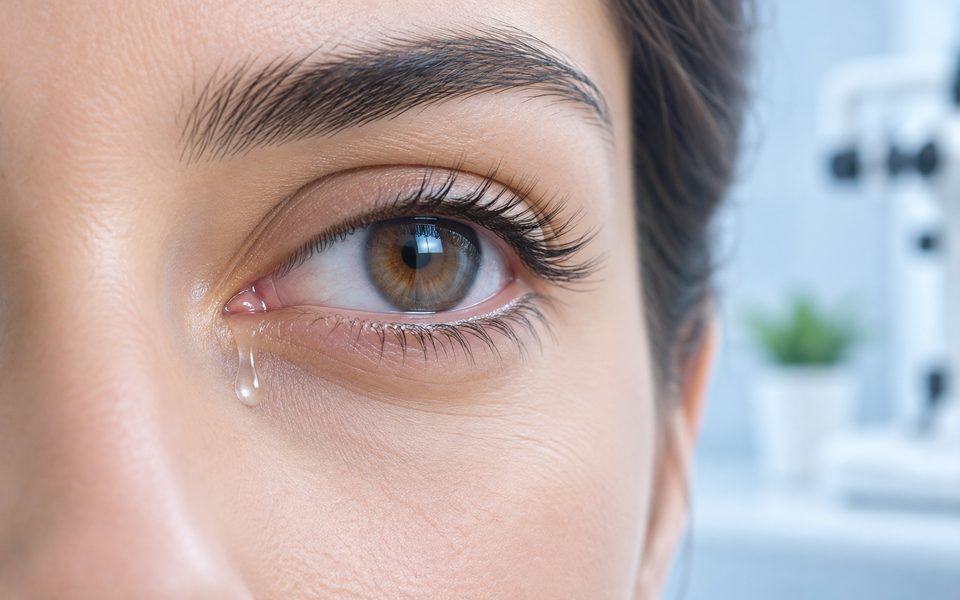 Tear ducts
Watery eyes & tear ducts
Constant watering, blocked tear ducts, syringing, probing and punctoplasty.
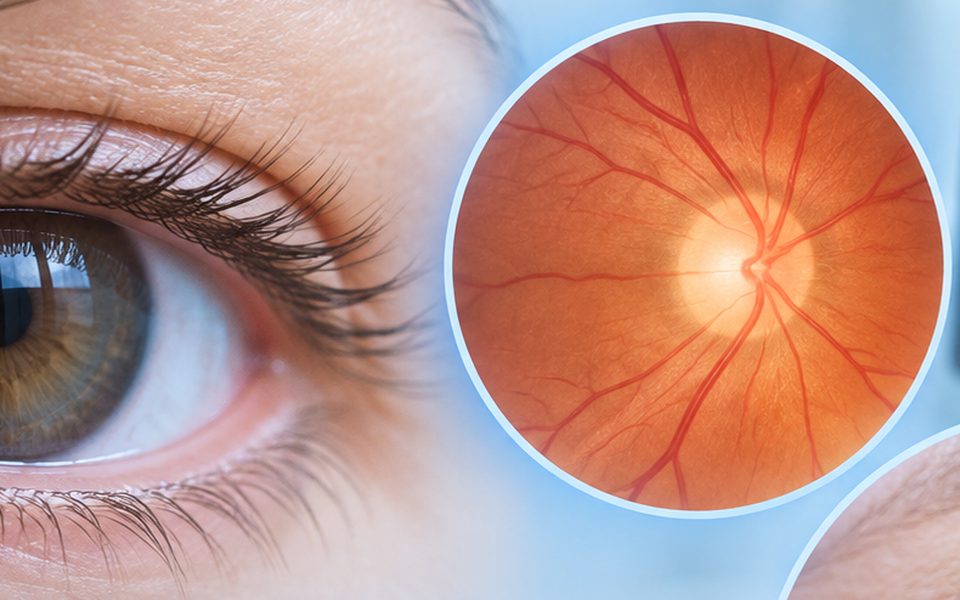 Retina
Eye injections for macular disease
Wet AMD, diabetic macular oedema and retinal vein occlusion, treated with injections in clinic.
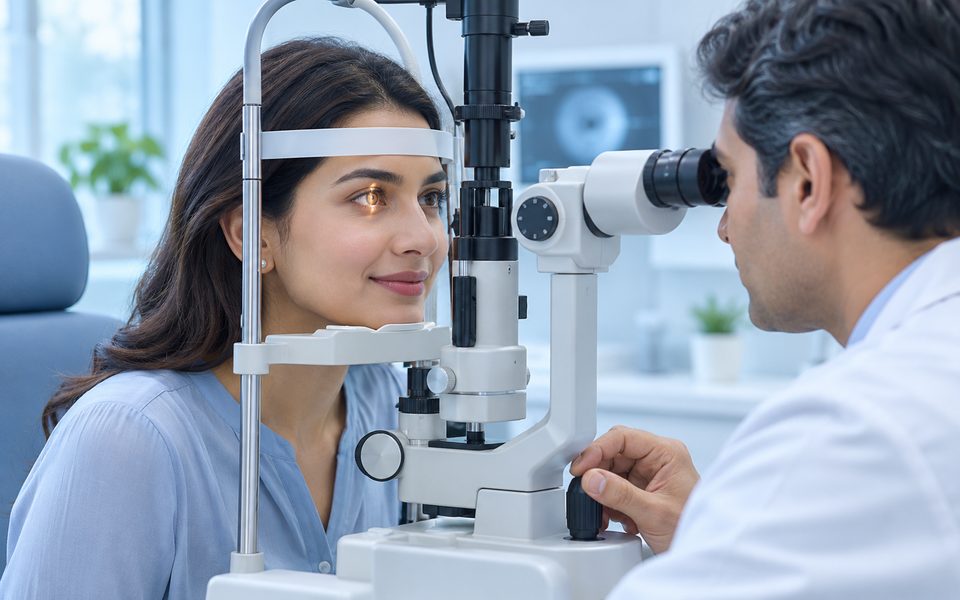 Inflammation
Red eye & uveitis
Painful red eye, uveitis, episcleritis, scleritis, keratitis and allergic eye disease.
 Children
’s myopia management
Slowing short-sightedness in children, with regular specialist reviews.


Ready to take the next step?
Your eyes, in expert hands.
Book a private consultation with consultant ophthalmologist Dr Filis Ayan. No GP referral needed.