
Private head injury clinic in London, same-day GP.
Most head injuries are minor and cause no lasting harm. The purpose of this leaflet is to tell you which symptoms mean you need help immediately, what to do while you recover, and how to return to work, school and sport safely. Our private GP clinic in East London offers same-day head injury assessment with a private GP, diagnosis and a clear treatment plan — usually without a referral and often the same day.
Call 999 or go to A&E for loss of consciousness, repeated vomiting, a fit, or worsening drowsiness after a head injury.
Book onlineChoose a time in a few taps. Booking opens right here on our website.
Payment information: We currently operate on a self-pay basis and do not offer direct billing with Bupa or other private medical insurers. Insurance information
The condition
What is head injury?
Most head injuries are minor and cause no lasting harm. The purpose of this leaflet is to tell you which symptoms mean you need help immediately, what to do while you recover, and how to return to work, school and sport safely.
- What head injury is
- Symptoms to look for
- Causes & risk factors
- Tests & diagnosis
- Treatment options
- When to see a specialist
Understanding head injury
Head injury: symptoms, causes, tests & treatment
Call 999 or go to an emergency department now if
- you were knocked out, even briefly, or cannot remember what happened;
- you are increasingly drowsy or difficult to wake, or become confused;
- you have a fit or seizure;
- you have vomited more than once since the injury;
- there is clear fluid or blood coming from the ear or nose, or new deafness;
- you have weakness, numbness or tingling in an arm or leg, or problems walking;
- you have difficulty speaking, reading or understanding, or your vision has changed;
- you have a severe headache that painkillers are not touching, or your pupils look unequal;
- you have a wound that will not stop bleeding, or a dent or soft area on the skull.
Get assessed today, even without the above, if you take blood-thinning medicine such as warfarin, apixaban, rivaroxaban or clopidogrel; if you have a bleeding disorder or have had brain surgery; if the injury involved a fall from height, stairs or a vehicle; if you are over 65; or if there is no responsible adult to stay with you. In an emergency call 999, or go to the Royal London Hospital Emergency Department, Whitechapel Road, London E1 1FR.
Extra signs to watch for in a child
- a baby under one year old, or any swelling or bruising over a soft spot;
- crying that cannot be settled, or behaving unlike themselves;
- refusing feeds, or vomiting more than once;
- unsteadiness, or reluctance to use an arm or leg.
The first 48 hours
- Have someone stay with you for the first 24 hours who can get help if you deteriorate.
- Rest — but not in a dark room for days. Take it easy for 24 to 48 hours, then start moving gently and building up.
- Cut down screens for the first day or two. Phones, gaming and long periods of reading often make headache and nausea worse early on.
- Paracetamol is the painkiller of choice. Avoid aspirin and, in the first 48 hours, ibuprofen and other anti-inflammatories unless a doctor has advised otherwise.
- No alcohol, no recreational drugs, no sleeping tablets or sedatives until you are fully recovered.
- Do not drive, cycle, operate machinery or work at height until symptoms have gone and you feel back to normal.
- Do not be alone in charge of a young child for the first 24 hours if you can avoid it.
You do not need to be woken every hour
The old advice to wake someone repeatedly through the night is no longer given. Normal sleep is part of recovery. What matters is that someone can check you are rousable if they are already up, and knows to call 999 if you become difficult to wake or any of the warning signs above appear.
Concussion
Concussion is a disturbance of brain function caused by a knock to the head or body. You do not have to have been knocked out to have concussion — fewer than one in ten people with concussion lose consciousness.
Common symptoms include headache, dizziness, feeling foggy or slowed down, difficulty concentrating, sensitivity to light and noise, irritability, tiredness and disturbed sleep. These usually settle over one to two weeks. Symptoms often feel worse when you push yourself mentally or physically, which is why building up gradually works better than doing nothing then doing everything.
Returning to work or school
Returning to sport
UK guidance for grassroots and non-elite sport is clear and worth following exactly:
- No return to any sport within 24 hours of a suspected concussion. If in doubt, sit them out.
- Follow a graduated return — light exercise first, then sport-specific training without contact, then full contact training, then competition.
- No return to competition before 21 days from the injury, and only then if you have been completely free of symptoms for the preceding 14 days.
- If symptoms are still present after 28 days, see a doctor for assessment.
Returning too early risks a second injury before the brain has recovered, which can be far more serious than the first.
Book a review with us if your headache is not settling after a week, you are struggling to concentrate at work or school, your sleep or mood has changed, or you need a fitness-to-work or return-to-sport assessment. We can examine you, arrange a CT or MRI quickly through our CQC-registered imaging partners if it is warranted, and provide a written report for an employer, school or club.
GP services we offer
Expert care under one roof
From same-day GP assessment to specialist care, scans and tests — with a clear plan the same visit.

Private GP
Same-day GP to start your care.
Urgent Care
For acute problems today.

Private Blood Tests
Diagnostic blood tests, explained.
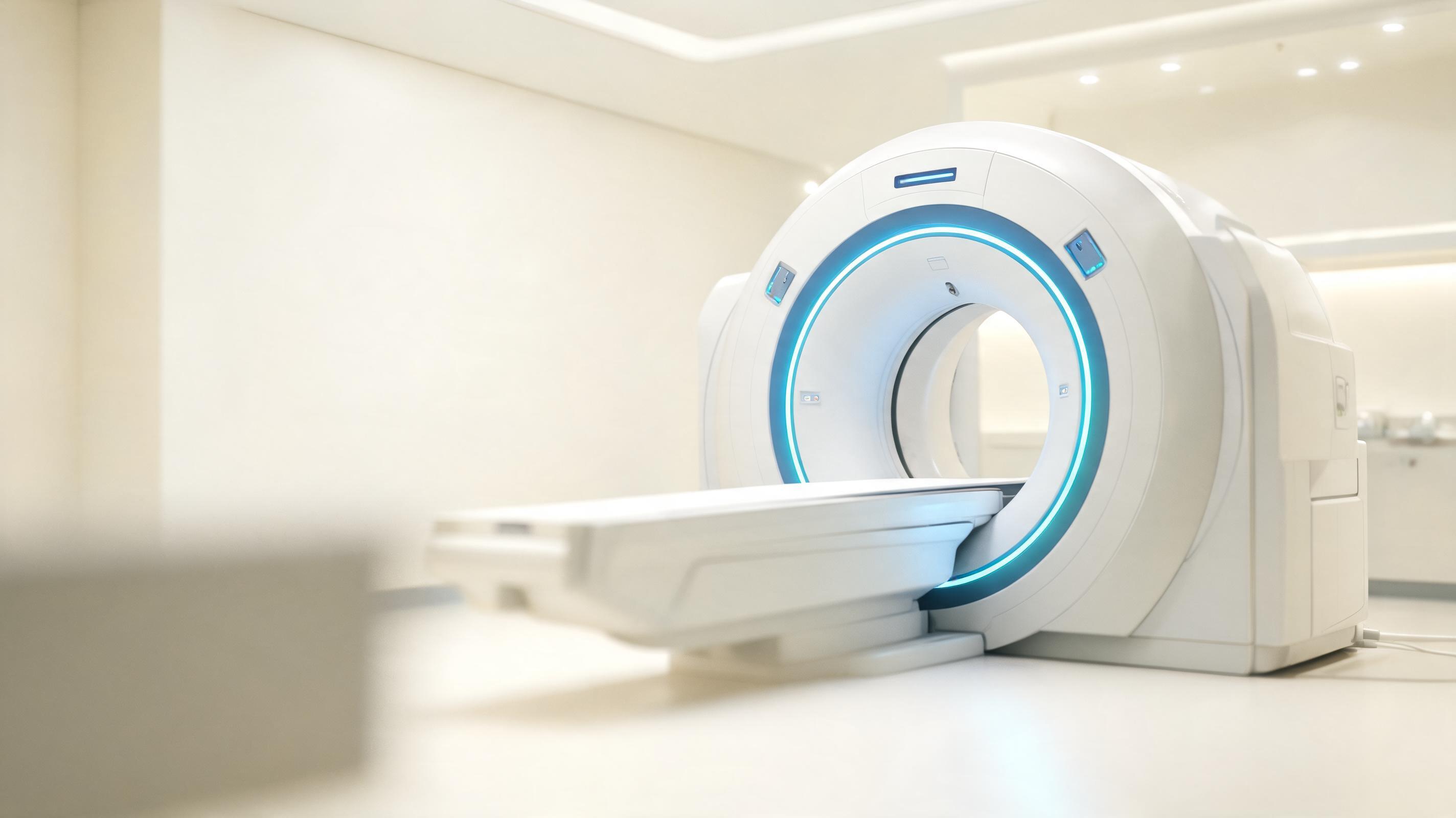
Scans & Imaging
Fast CT, MRI & ultrasound.

Rheumatology
Joint & autoimmune conditions.
Health MOT
A full private health check.
Simple & reassuring
Seen today, in three easy steps
Book in a minute
Book online any time or call reception — no GP referral needed for most appointments.
Seen quickly
A GMC-registered clinician assesses you, with tests and scans arranged in-house where possible.
Diagnosis & plan
You leave with a clear diagnosis, treatment, and any specialist care or scan arranged.
Private assessment
See a private GP for head injury in London
At our private GP clinic on Whitechapel Road in East London, you can see a private GP or head injury doctor without a referral — most days, often the same day. A private GP in East London or consultant GP will assess you, arrange the right tests and explain your diagnosis and treatment options clearly. We help patients across East London, Canary Wharf, the City, Docklands and Aldgate who want fast, private answers about head injury.
Local, private, fast
A private GP clinic for East London & Canary Wharf
Tower Bridge Hospital is on Whitechapel Road in the heart of East London — minutes from Canary Wharf, the City of London, Docklands and Aldgate. Patients across Tower Hamlets, Wapping, Limehouse and Bethnal Green choose us for a fast, private head injury appointment with a GP, without the wait or the referral.
Why choose us
Why choose our East London private GP clinic
- Same-day, no referral — private GP and GP under one roof
- Specialist-led care with GMC-registered clinicians
- Tests & scans on site, results explained the same visit
- Minutes from Canary Wharf & the City of London
- A named clinician who explains your results clearly
- Transparent pricing and a plan you can act on
Ready when you are
See a private GP for head injury — the same day.
Book a private head injury assessment in East London: same-day appointments, GP-led care and a clear plan. No referral needed.
Common questions
Head injury in London: your questions answered
Where can I find a private head injury specialist near me in East London?
Our private GP clinic is on Whitechapel Road in East London, minutes from Canary Wharf and the City. You can see a private GP or head injury doctor for assessment and treatment, usually the same day and without a referral.
Can I see a private GP for head injury the same day?
Yes. We hold same-day private appointments most days, including Saturdays, so you can be assessed by a GP or GP quickly, with tests done in-house where possible.
How much does a private head injury appointment cost in London?
We keep pricing transparent — see our fees page or call 020 7916 0029, and we will explain the cost of the head injury assessment and any tests before you book.
Do I need a referral to see a private GP for head injury?
No. You can book directly with our clinic. If you are unsure whether to start with a private GP or a GP, we will guide you.
Which areas do you serve for private head injury care?
We see private patients from across East London, Canary Wharf, the City of London, Docklands, Aldgate, Wapping, Limehouse and Tower Hamlets.
Medically reviewed by Dr Haydar Bolat — Clinical Director, GMC 7138332. Last reviewed August 2026 · next review August 2027. Written in line with our editorial & content-review policy, using guidance from the NHS, NICE and the relevant royal colleges. This information is general and does not replace personal medical advice.