
Private angina clinic in London, same-day cardiology.
Angina is chest pain, tightness or pressure caused by reduced blood flow to the heart muscle, usually brought on by exertion or stress and eased by rest. Our private cardiology clinic in East London offers same-day angina assessment with a private cardiologist, diagnosis and a clear treatment plan — usually without a referral and often the same day.
Call 999 now if you have chest pain lasting more than 15 minutes, severe breathlessness, or signs of a stroke (face drooping, arm weakness, slurred speech). This clinic is for non-emergency assessment.
The condition
What is angina?
Angina is chest pain, tightness or pressure caused by reduced blood flow to the heart muscle — most often from narrowed coronary arteries. It is typically brought on by exertion, cold or stress and relieved by rest. Angina is a warning sign that should always be assessed, because it points to underlying coronary artery disease and a raised risk of heart attack.
- Stable angina
- Unstable angina
- Microvascular angina
- Chest tightness on exertion
- Breathlessness with activity
- Coronary risk assessment
Understanding angina
Angina: symptoms, causes, tests & treatment
Call 999 if chest pain
- lasts more than 15 minutes, or does not settle with rest and GTN
- occurs at rest, or wakes you from sleep
- is more severe, more frequent or comes on with less effort than usual
- comes with sweating, nausea, vomiting or breathlessness
- spreads to the jaw, neck, back or either arm
- is your first ever episode of chest pain
If you have GTN, take one dose, wait five minutes, take a second, wait five more — and if the pain persists, call 999 and chew a 300mg aspirin unless you are allergic. Do not drive yourself. In an emergency call 999, or go to the Royal London Hospital Emergency Department, Whitechapel Road, London E1 1FR.
What stable angina feels like
- Tightness, heaviness or pressure across the chest — often described as a band or a weight rather than a sharp pain
- brought on by exertion, cold weather, heavy meals or emotional stress, at a fairly predictable level
- settling within a few minutes of rest or after GTN
- may spread to the arms, jaw, neck or back
- sometimes felt only as breathlessness or fatigue on exertion, particularly in women, older people and those with diabetes
It does not always feel like pain
A significant proportion of people — especially women, people with diabetes and those over 75 — describe breathlessness, unusual fatigue, jaw ache, indigestion-like discomfort or nausea rather than chest pain. These 'atypical' presentations are a major reason heart disease is diagnosed later in women. If exertion reliably brings on any unusual symptom that rest relieves, that pattern deserves a cardiac assessment regardless of how it feels.
Using GTN properly
- Stop and sit down — GTN lowers blood pressure and can make you dizzy.
- One spray or tablet under the tongue. Do not swallow it.
- Wait five minutes. If the pain persists, take a second dose.
- Wait five more minutes. If it still persists, call 999.
- Carry it always, check the expiry date, and replace sprays every couple of years even if unused.
Headache and flushing after GTN are expected. You can also use it before an activity you know brings on symptoms — climbing a hill, going out in the cold — which many people are never told.
GTN and erectile dysfunction medication
Nitrates must never be combined with sildenafil, tadalafil or similar, or with recreational nitrites (poppers). The combination causes a catastrophic drop in blood pressure. If you use or are considering ED medication, tell us — there are ways to manage this, but not by guessing.
Investigation
- ECG — often normal at rest, which does not exclude angina.
- Blood tests — lipids, HbA1c, kidney function, full blood count and thyroid.
- CT coronary angiography is now the recommended first-line test for new-onset stable chest pain in the UK.
- Functional testing — stress echocardiography or perfusion imaging — where CT is unsuitable or inconclusive.
- Invasive angiography where the results indicate it, with the option of stenting.
Treatment
- Symptom relief — a beta-blocker or calcium channel blocker as first-line, with others added if needed. GTN for episodes.
- Preventing heart attacks — this is separate and matters more: aspirin and a statin for everyone with confirmed angina, plus blood pressure and diabetes control.
- Stopping smoking, which halves cardiovascular risk within a few years.
- Cardiac rehabilitation and regular exercise — exercise improves angina, and avoiding activity worsens it.
- Stenting relieves symptoms in people not controlled on medication; it does not generally reduce heart attack risk in stable angina, which surprises many people.
Driving
For a car or motorcycle licence you must stop driving if angina occurs at rest, at the wheel or with emotion, and may resume once symptoms are controlled — the DVLA does not need to be told for stable angina alone. Bus, coach and lorry licence holders must notify the DVLA. We can advise on your situation.
Same-day heart tests we offer
Everything to assess your heart, under one roof
Accurate diagnosis needs the right tests — and we offer them in-house, with results explained at the same visit.

ECG & Heart Check
Confirms the heart rhythm in minutes.
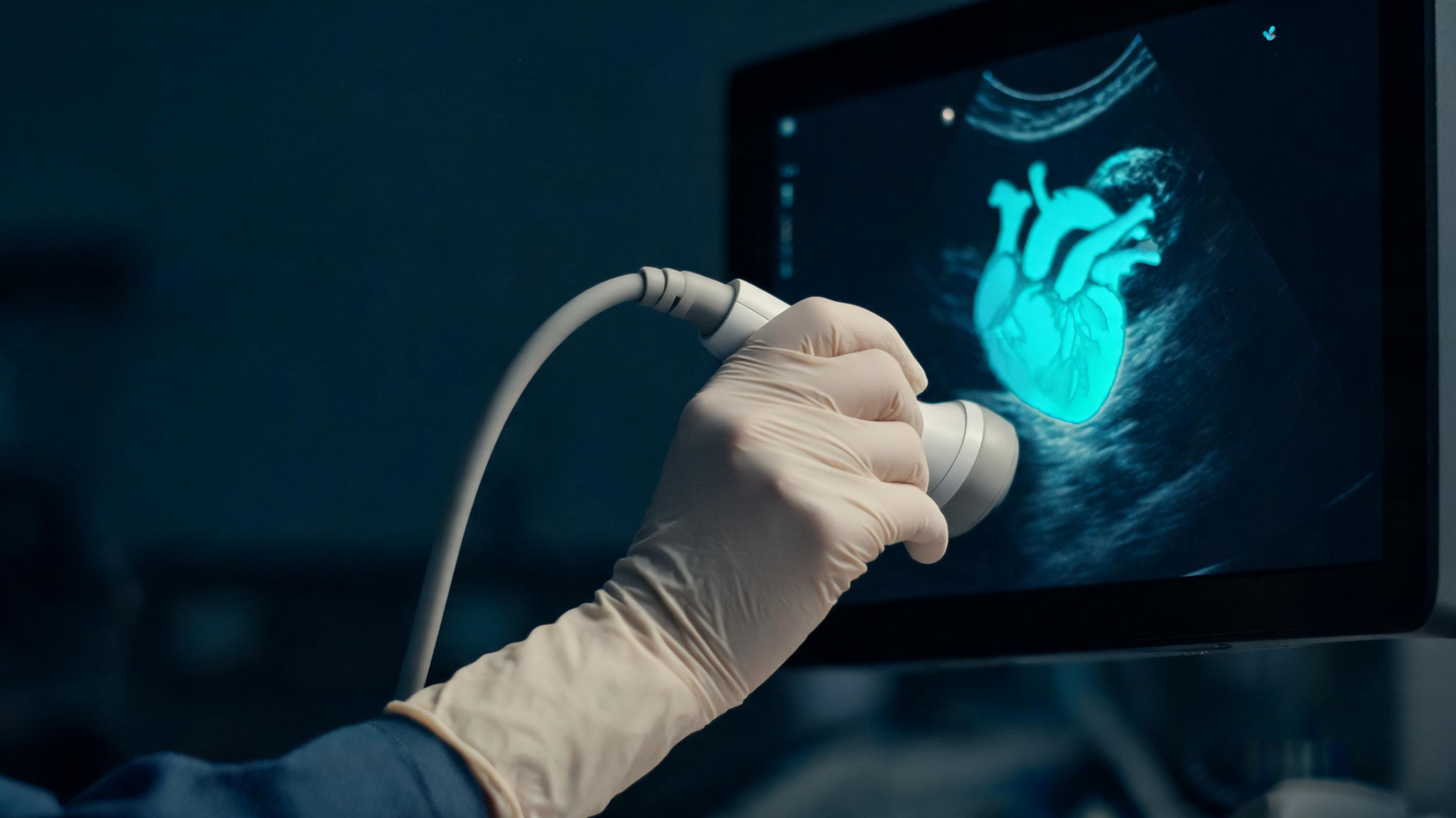
Private Echocardiogram
Ultrasound of the heart's structure and function.
Cardiac Diagnostics
Ambulatory monitoring & deeper cardiac tests.

Private Blood Tests
Cholesterol, thyroid, kidney & clotting checks.

Private GP
Same-day GP assessment to start your care.

Health MOT
A full cardiovascular risk review.
Simple & reassuring
Seen today, in three easy steps
Book in a minute
Book online any time or call reception — no GP referral needed for most appointments.
Seen the same day
A GMC-registered clinician assesses you, with heart tests done in-house where possible.
Diagnosis & plan
You leave with a clear diagnosis, your results explained, and a treatment plan.
Private assessment
See a private cardiologist for angina in London
At our private cardiology clinic on Whitechapel Road in East London, you can see a private cardiologist or angina doctor without a referral — most days, often the same day. A private GP in East London or consultant cardiologist will assess you, arrange the right tests and explain your diagnosis and treatment options clearly. We help patients across East London, Canary Wharf, the City, Docklands and Aldgate who want fast, private answers about angina.
Local, private, fast
A private cardiology clinic for East London & Canary Wharf
Tower Bridge Hospital is on Whitechapel Road in the heart of East London — minutes from Canary Wharf, the City of London, Docklands and Aldgate. Patients across Tower Hamlets, Wapping, Limehouse and Bethnal Green choose us for a fast, private angina appointment with a cardiologist, without the wait or the referral.
Why choose us
Why choose our East London private cardiology clinic
- Same-day, no referral — private GP and cardiology under one roof
- Consultant-led cardiology with GMC-registered clinicians
- In-house diagnostics — ECG, echo & monitoring, results the same visit
- Minutes from Canary Wharf & the City of London
- A named clinician who explains your results clearly
- Transparent pricing and a plan you can act on
Ready when you are
See a private cardiologist for angina — the same day.
Book a private angina assessment in East London: same-day appointments, cardiologist-led care and a clear plan. No referral needed.
Common questions
Angina in London: your questions answered
Where can I find a private angina specialist near me in East London?
Our private cardiology clinic is on Whitechapel Road in East London, minutes from Canary Wharf and the City. You can see a private cardiologist or angina doctor for assessment and treatment, usually the same day and without a referral.
Can I see a private cardiologist for angina the same day?
Yes. We hold same-day private appointments most days, including Saturdays, so you can be assessed by a cardiologist or GP quickly, with tests done in-house where possible.
How much does a private angina appointment cost in London?
We keep pricing transparent — see our fees page or call 020 7916 0029, and we will explain the cost of the angina assessment and any tests before you book.
Do I need a referral to see a private cardiologist for angina?
No. You can book directly with our clinic. If you are unsure whether to start with a private GP or a cardiologist, we will guide you.
What does angina feel like?
Tightness, pressure or heaviness in the chest, sometimes spreading to the arm, neck or jaw, typically brought on by exertion and relieved within minutes by rest.
How is angina diagnosed?
With an ECG, blood tests and, where needed, further cardiac tests such as an echocardiogram or CT coronary assessment, which our cardiology team can arrange.
Which areas do you serve for private angina care?
We see private patients from across East London, Canary Wharf, the City of London, Docklands, Aldgate, Wapping, Limehouse and Tower Hamlets.
Medically reviewed by Dr Haydar Bolat — Clinical Director, GMC 7138332. Last reviewed August 2026 · next review August 2027. Written in line with our editorial & content-review policy, using guidance from the NHS, NICE and the relevant royal colleges. This information is general and does not replace personal medical advice.