
Private collapsed lung clinic in London, same-day respiratory.
A pneumothorax is air trapped between the lung and the chest wall, causing the lung to collapse partially or completely. It typically causes sudden sharp one-sided chest pain and breathlessness, often out of the blue in an otherwise healthy young person. Our private respiratory clinic in East London offers same-day collapsed lung assessment with a private respiratory specialist, diagnosis and a clear treatment plan — usually without a referral and often the same day.
Call 999 or go to A&E for sudden breathlessness with sharp chest pain.
The condition
What is collapsed lung?
A pneumothorax is air trapped between the lung and the chest wall, causing the lung to collapse partially or completely. It typically causes sudden sharp one-sided chest pain and breathlessness, often out of the blue in an otherwise healthy young person.
- What collapsed lung is
- Symptoms to look for
- Causes & risk factors
- Tests & diagnosis
- Treatment options
- When to see a specialist
Understanding collapsed lung
Collapsed lung: symptoms, causes, tests & treatment
Call 999 immediately if there is
- severe or rapidly worsening breathlessness
- blue lips or fingertips
- collapse, confusion or drowsiness
- a racing heart with low blood pressure and severe breathlessness
- chest pain after significant injury, with breathlessness
- swelling of the neck or face with crackling under the skin
A tension pneumothorax — where pressure builds and compresses the heart — is rapidly fatal and needs immediate needle decompression. Anyone with severe breathlessness and one-sided chest pain needs an ambulance rather than a car journey to hospital. In an emergency call 999, or go to the Royal London Hospital Emergency Department, Whitechapel Road, London E1 1FR.
Who it happens to
- Primary spontaneous — in people with no known lung disease. Classically tall, thin young men aged 15 to 35, often smokers, frequently at rest rather than during exertion. Small blebs on the lung surface rupture.
- Secondary spontaneous — in people with existing lung disease, most often COPD. More dangerous, because the remaining lung has less reserve.
- Traumatic — after injury, a rib fracture, or a medical procedure.
- Catamenial — a rare form linked to endometriosis, occurring around periods.
- Smoking raises risk many times over, and cannabis smoking particularly so.
Symptoms
- Sudden sharp chest pain on one side, often worse on breathing in
- breathlessness, ranging from mild to severe
- a dry cough, and sometimes pain referred to the shoulder tip
- small ones can cause surprisingly little — some are found incidentally on a chest X-ray
Treatment
- Observation for small pneumothoraces in people who are not breathless — air is reabsorbed over days to weeks. Oxygen speeds this up.
- Needle aspiration to draw the air out, often successful for a first primary pneumothorax.
- Chest drain where aspiration fails, the pneumothorax is large, or there is underlying lung disease.
- Ambulatory devices allow some people to go home with a one-way valve rather than being admitted.
- Surgery (VATS with pleurodesis) for recurrence, persistent air leak, or in people whose occupation makes recurrence dangerous — pilots and divers.
Do not fly or dive until you are cleared
Flying with an untreated pneumothorax is dangerous — cabin pressure falls and trapped air expands. You should not fly until a chest X-ray confirms full resolution, and usually for a period afterwards; airlines and specialists vary, so get specific advice. Diving is different: after a spontaneous pneumothorax you should generally not scuba dive again unless you have had definitive surgery and specialist clearance. This is permanent advice, not a temporary restriction, and it catches people out.
Recovery and recurrence
- Stopping smoking dramatically reduces recurrence — this is the single most effective thing you can do.
- Avoid heavy lifting and strenuous exercise for a few weeks; build back gradually.
- Return to work depends on the job — desk work within days, heavy manual work several weeks.
- Seek help immediately if the pain or breathlessness returns, as recurrence is common and often on the same side.
- Follow-up chest imaging confirms resolution before you are discharged.
Respiratory services we offer
Expert care under one roof
From same-day GP assessment to specialist care, scans and tests — with a clear plan the same visit.
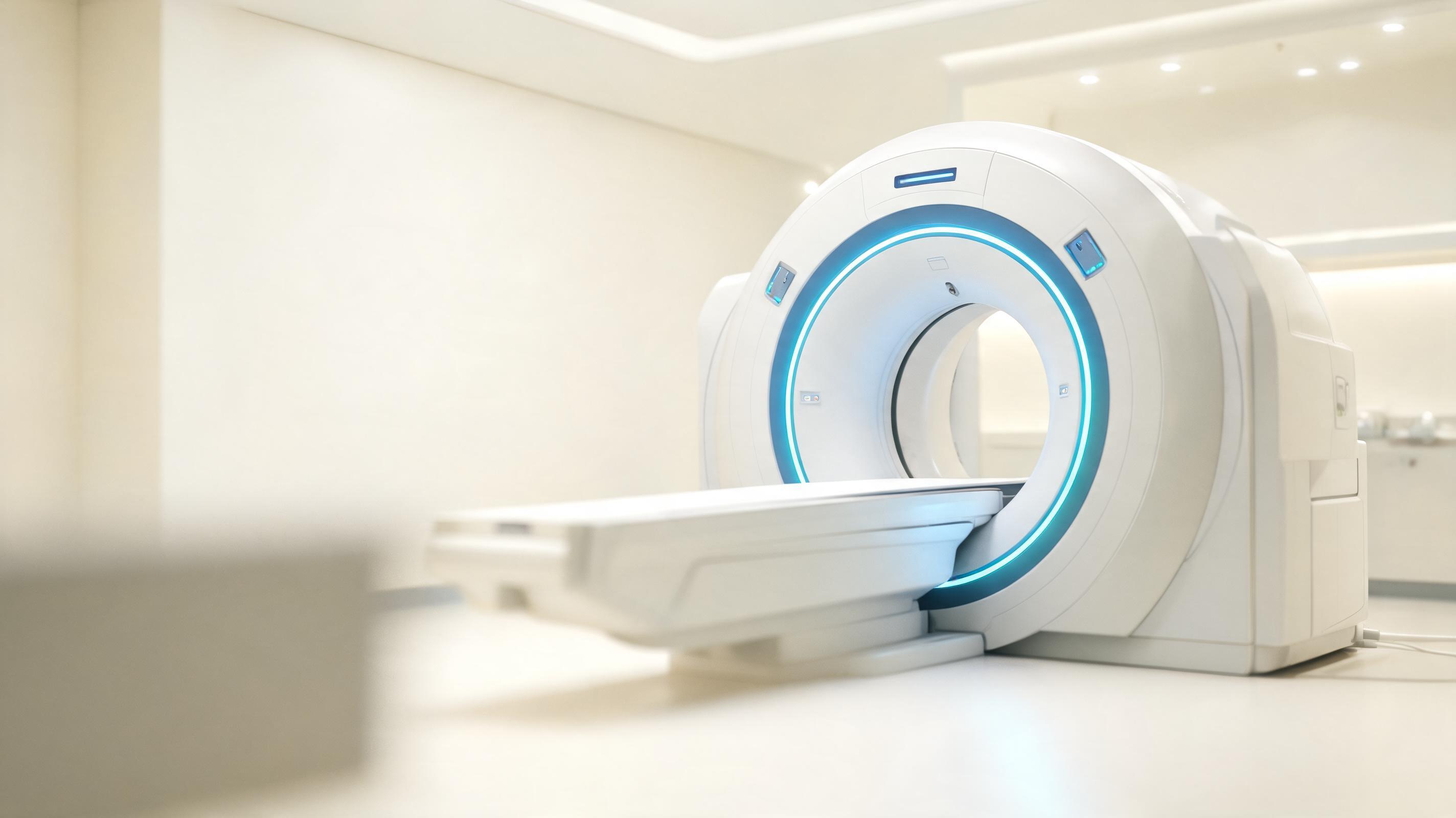
Respiratory Clinic
Lungs & breathing care.
Chest Imaging
Chest X-ray & CT access.

Private Blood Tests
Diagnostic blood tests, explained.
ENT Clinic
For nose, throat & cough.

Private GP
Same-day GP to start your care.
Health MOT
A full private health check.
Simple & reassuring
Seen today, in three easy steps
Book in a minute
Book online any time or call reception — no GP referral needed for most appointments.
Seen quickly
A GMC-registered clinician assesses you, with tests and scans arranged in-house where possible.
Diagnosis & plan
You leave with a clear diagnosis, treatment, and any specialist care or scan arranged.
Private assessment
See a private respiratory specialist for collapsed lung in London
At our private respiratory clinic on Whitechapel Road in East London, you can see a private respiratory specialist or collapsed lung doctor without a referral — most days, often the same day. A private GP in East London or consultant respiratory specialist will assess you, arrange the right tests and explain your diagnosis and treatment options clearly. We help patients across East London, Canary Wharf, the City, Docklands and Aldgate who want fast, private answers about collapsed lung.
Local, private, fast
A private respiratory clinic for East London & Canary Wharf
Tower Bridge Hospital is on Whitechapel Road in the heart of East London — minutes from Canary Wharf, the City of London, Docklands and Aldgate. Patients across Tower Hamlets, Wapping, Limehouse and Bethnal Green choose us for a fast, private collapsed lung appointment with a respiratory specialist, without the wait or the referral.
Why choose us
Why choose our East London private respiratory clinic
- Same-day, no referral — private GP and respiratory under one roof
- Specialist-led care with GMC-registered clinicians
- Tests & scans on site, results explained the same visit
- Minutes from Canary Wharf & the City of London
- A named clinician who explains your results clearly
- Transparent pricing and a plan you can act on
Ready when you are
See a private respiratory specialist for collapsed lung — the same day.
Book a private collapsed lung assessment in East London: same-day appointments, respiratory specialist-led care and a clear plan. No referral needed.
Common questions
Collapsed lung in London: your questions answered
Where can I find a private collapsed lung specialist near me in East London?
Our private respiratory clinic is on Whitechapel Road in East London, minutes from Canary Wharf and the City. You can see a private respiratory specialist or collapsed lung doctor for assessment and treatment, usually the same day and without a referral.
Can I see a private respiratory specialist for collapsed lung the same day?
Yes. We hold same-day private appointments most days, including Saturdays, so you can be assessed by a respiratory specialist or GP quickly, with tests done in-house where possible.
How much does a private collapsed lung appointment cost in London?
We keep pricing transparent — see our fees page or call 020 7916 0029, and we will explain the cost of the collapsed lung assessment and any tests before you book.
Do I need a referral to see a private respiratory specialist for collapsed lung?
No. You can book directly with our clinic. If you are unsure whether to start with a private GP or a respiratory specialist, we will guide you.
Which areas do you serve for private collapsed lung care?
We see private patients from across East London, Canary Wharf, the City of London, Docklands, Aldgate, Wapping, Limehouse and Tower Hamlets.
Medically reviewed by Dr Haydar Bolat — Clinical Director, GMC 7138332. Last reviewed August 2026 · next review August 2027. Written in line with our editorial & content-review policy, using guidance from the NHS, NICE and the relevant royal colleges. This information is general and does not replace personal medical advice.