
Private night sweats clinic in London, same-day endocrinology.
Waking hot and damp because the room is warm or the duvet is heavy is common and means nothing. Drenching night sweats — soaking through nightclothes and bedding, requiring a change — are different, and when they persist they deserve investigation rather than a cooler bedroom. Our private endocrinology clinic in East London offers same-day night sweats assessment with a private endocrinologist, diagnosis and a clear treatment plan — usually without a referral and often the same day.
The condition
What is night sweats?
Waking hot and damp because the room is warm or the duvet is heavy is common and means nothing. Drenching night sweats — soaking through nightclothes and bedding, requiring a change — are different, and when they persist they deserve investigation rather than a cooler bedroom.
- What night sweats is
- Symptoms to look for
- Causes & risk factors
- Tests & diagnosis
- Treatment options
- When to see a specialist
Understanding night sweats
Night sweats: symptoms, causes, tests & treatment
Arrange prompt assessment if night sweats come with
- unexplained weight loss
- swollen glands in the neck, armpits or groin lasting more than three weeks
- persistent fever, or feeling generally unwell
- a persistent cough, coughing blood, or breathlessness
- unusual bruising or bleeding, or persistent itching all over
- bone pain, or a new lump anywhere
Drenching night sweats with weight loss and fever are the classic 'B symptoms' of lymphoma and are also typical of tuberculosis, which is more common in East London than nationally. Neither should be attributed to the menopause or stress without assessment.
What counts as significant
- Soaking through nightclothes or bedding, needing to change them
- happening regularly over weeks rather than occasionally
- occurring in a cool room and unrelated to bedding or nightwear
- waking you rather than being noticed in the morning
- particularly significant when accompanied by fever, weight loss or lumps
The common causes
- Menopause and perimenopause — by far the commonest cause in women in their forties and fifties, often with daytime flushes.
- Anxiety and stress, including nightmares and post-traumatic symptoms.
- Medicines — antidepressants (a very common cause), tamoxifen and hormone treatments, steroids, some diabetes medicines, and opioids.
- Low blood sugar overnight, particularly on insulin or sulfonylureas.
- Alcohol, particularly withdrawal after heavy drinking, and recreational drugs.
- Infection — tuberculosis, HIV, endocarditis, abscess, and some viral illnesses.
- Overactive thyroid.
- Obstructive sleep apnoea, which is under-recognised as a cause.
- Reflux, and cancers — particularly lymphoma and leukaemia.
Medicines are the most overlooked cause
Antidepressants — SSRIs and SNRIs in particular — cause night sweats in a substantial minority of people taking them, and the connection is rarely made because the sweats often begin weeks after starting. The same applies to tamoxifen, and to some blood pressure and diabetes medicines. Before embarking on extensive investigation, it is worth reviewing everything you take, including anything started in the previous few months.
What gets tested
- Full blood count and blood film — to look for blood disorders
- Inflammatory markers (CRP, ESR), and LDH
- Thyroid function, HbA1c or glucose
- Kidney and liver function, calcium
- HIV and TB testing where there is any relevant risk or exposure
- Chest X-ray where there is cough, weight loss or TB risk
- In women, hormone testing is usually not needed — menopause is diagnosed clinically over 45
Practical measures
Helps
- Cotton or moisture-wicking nightwear and bedding; layers you can shed
- A cooler bedroom, a fan, and a cool shower before bed
- Avoiding alcohol, spicy food and heavy meals in the evening
- Keeping a spare set of nightclothes and a towel by the bed
- For menopausal sweats, treatment is effective — see our menopause leaflet
Worth reviewing
- Recent new medicines, particularly antidepressants
- Alcohol intake, and any pattern of heavy drinking
- Whether you snore or stop breathing at night
- Blood sugar overnight if you are on insulin
- Whether you also have daytime symptoms
Endocrinology services we offer
Expert care under one roof
From same-day GP assessment to specialist care, scans and tests — with a clear plan the same visit.
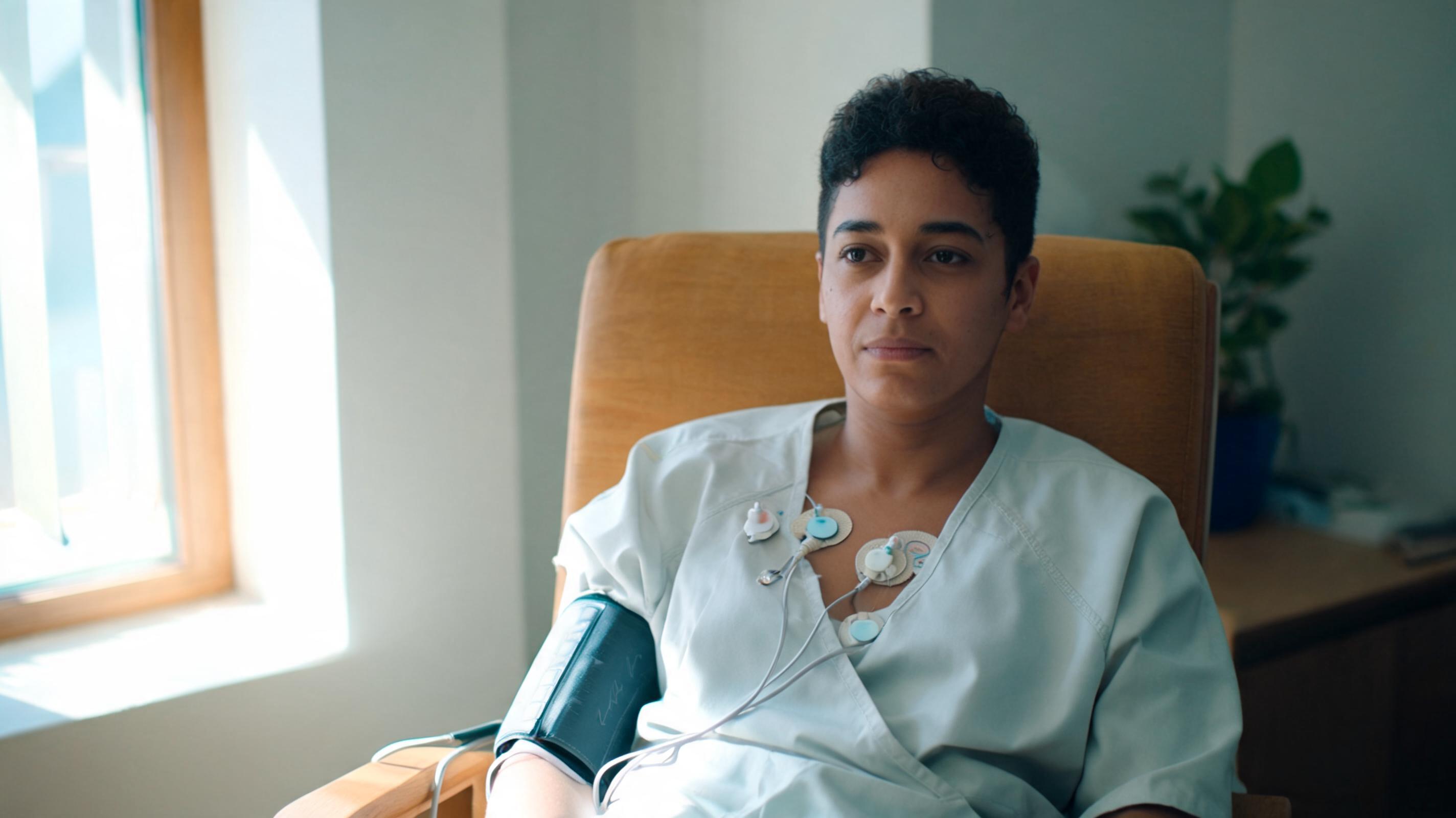
Endocrinology & Diabetes
Hormone & diabetes care.

Blood & Hormone Tests
Thyroid, hormone & metabolic tests.
Diabetes Screening
Blood sugar & HbA1c checks.
Weight Management
Medical weight management.
Health MOT
A full private health check.
Private GP
Same-day GP to start your care.
Simple & reassuring
Seen today, in three easy steps
Book in a minute
Book online any time or call reception — no GP referral needed for most appointments.
Seen quickly
A GMC-registered clinician assesses you, with tests and scans arranged in-house where possible.
Diagnosis & plan
You leave with a clear diagnosis, treatment, and any specialist care or scan arranged.
Private assessment
See a private endocrinologist for night sweats in London
At our private endocrinology clinic on Whitechapel Road in East London, you can see a private endocrinologist or night sweats doctor without a referral — most days, often the same day. A private GP in East London or consultant endocrinologist will assess you, arrange the right tests and explain your diagnosis and treatment options clearly. We help patients across East London, Canary Wharf, the City, Docklands and Aldgate who want fast, private answers about night sweats.
Local, private, fast
A private endocrinology clinic for East London & Canary Wharf
Tower Bridge Hospital is on Whitechapel Road in the heart of East London — minutes from Canary Wharf, the City of London, Docklands and Aldgate. Patients across Tower Hamlets, Wapping, Limehouse and Bethnal Green choose us for a fast, private night sweats appointment with a endocrinologist, without the wait or the referral.
Why choose us
Why choose our East London private endocrinology clinic
- Same-day, no referral — private GP and endocrinology under one roof
- Specialist-led care with GMC-registered clinicians
- Tests & scans on site, results explained the same visit
- Minutes from Canary Wharf & the City of London
- A named clinician who explains your results clearly
- Transparent pricing and a plan you can act on
Ready when you are
See a private endocrinologist for night sweats — the same day.
Book a private night sweats assessment in East London: same-day appointments, endocrinologist-led care and a clear plan. No referral needed.
Common questions
Night sweats in London: your questions answered
Where can I find a private night sweats specialist near me in East London?
Our private endocrinology clinic is on Whitechapel Road in East London, minutes from Canary Wharf and the City. You can see a private endocrinologist or night sweats doctor for assessment and treatment, usually the same day and without a referral.
Can I see a private endocrinologist for night sweats the same day?
Yes. We hold same-day private appointments most days, including Saturdays, so you can be assessed by a endocrinologist or GP quickly, with tests done in-house where possible.
How much does a private night sweats appointment cost in London?
We keep pricing transparent — see our fees page or call 020 7916 0029, and we will explain the cost of the night sweats assessment and any tests before you book.
Do I need a referral to see a private endocrinologist for night sweats?
No. You can book directly with our clinic. If you are unsure whether to start with a private GP or a endocrinologist, we will guide you.
Which areas do you serve for private night sweats care?
We see private patients from across East London, Canary Wharf, the City of London, Docklands, Aldgate, Wapping, Limehouse and Tower Hamlets.
Medically reviewed by Dr Haydar Bolat — Clinical Director, GMC 7138332. Last reviewed August 2026 · next review August 2027. Written in line with our editorial & content-review policy, using guidance from the NHS, NICE and the relevant royal colleges. This information is general and does not replace personal medical advice.