
Private palpitations clinic in London, same-day cardiology.
Palpitations are the feeling of a racing, pounding or skipping heartbeat — often harmless, but sometimes a sign of a rhythm problem that deserves an ECG. Our private cardiology clinic in East London offers same-day palpitations assessment with a private cardiologist, diagnosis and a clear treatment plan — usually without a referral and often the same day.
Call 999 now if you have chest pain lasting more than 15 minutes, severe breathlessness, or signs of a stroke (face drooping, arm weakness, slurred speech). This clinic is for non-emergency assessment.
The condition
What is palpitations?
Palpitations are the feeling of a racing, pounding or skipping heartbeat — often harmless, but sometimes a sign of a rhythm problem that deserves an ECG.
- Racing or pounding heartbeat
- Skipped or extra beats
- Ectopic beats
- Ambulatory heart monitoring
- Atrial fibrillation check
- Anxiety-related palpitations
Understanding palpitations
Palpitations: symptoms, causes, tests & treatment
Call 999 if palpitations come with
- chest pain, tightness or pressure
- fainting, or nearly fainting
- severe breathlessness, or breathlessness at rest
- a heart rate that is very fast and does not settle after several minutes of rest
- palpitations during exercise rather than after it
Arrange prompt assessment, rather than an ambulance, if you have a family history of sudden unexplained death under 40, known heart disease, or palpitations that are becoming more frequent. In an emergency call 999, or go to the Royal London Hospital Emergency Department, Whitechapel Road, London E1 1FR.
The common, harmless kind
Extra beats — ectopics — are felt as a missed beat followed by a thump. They are extremely common, occur in healthy hearts, and are typically noticed most when you are still, in bed or stressed. Paradoxically they often reduce during exercise, which is reassuring.
- caffeine, energy drinks and excessive tea or coffee
- alcohol, particularly binge drinking — sometimes called holiday heart
- nicotine, cannabis, cocaine and stimulants
- stress, anxiety and poor sleep
- dehydration, missed meals and low potassium or magnesium
- decongestants, salbutamol inhalers, thyroid medicine and some antidepressants
- fever, anaemia, an overactive thyroid, and the menopause
Atrial fibrillation
AF is an irregular, often fast heart rhythm. It may cause palpitations, breathlessness or fatigue — or no symptoms at all. It matters because it substantially increases the risk of stroke, and because that risk is largely preventable with anticoagulation.
- Check your own pulse: feel at the wrist for 30 seconds. AF is irregularly irregular — no pattern at all to the gaps.
- Many smartwatches and phone devices detect AF reasonably well. A notification is worth acting on, though it needs confirming with a proper ECG.
- AF becomes more common with age, high blood pressure, alcohol, sleep apnoea, thyroid disease and being overweight.
- If AF is confirmed, the two questions are rate or rhythm control, and whether you need anticoagulation to prevent stroke. The second is the one that changes lives.
Capturing an episode is the whole difficulty
Palpitations are intermittent, and an ECG taken while you feel fine is often normal. That does not mean nothing is wrong — it means we have not caught it yet. Options are a 24-hour or 7-day monitor, a patch worn for up to two weeks, or an event recorder you activate during an episode. Keeping a simple diary — time, what you were doing, how long, how it stopped, and your pulse if you can take it — is genuinely valuable and costs nothing.
Slowing a fast regular palpitation
Some fast regular rhythms respond to manoeuvres that stimulate the vagus nerve. If you have been shown these and told they are appropriate for you: bear down as if straining, or blow hard against a closed mouth and pinched nose for 15 seconds. Do not press on your neck or eyes. If the episode does not stop within a few minutes, or you feel unwell, call for help.
Reducing episodes
- Cut caffeine substantially for two weeks and see whether it changes anything — a genuine test rather than a vague reduction.
- Reduce alcohol; it is a far more common trigger than people expect.
- Address sleep, including snoring and daytime sleepiness, which may indicate sleep apnoea.
- Regular aerobic exercise reduces ectopics in most people.
- Have thyroid function and a full blood count checked — anaemia and thyroid problems are easily missed causes.
Book an appointment if palpitations are frequent, prolonged, or accompanied by any of the warning symptoms, if you have an irregular pulse, or if a wearable device has flagged a possible rhythm problem. We offer ECG, echocardiography and cardiology review on site, with ambulatory monitoring arranged through our CQC-registered partners.
Same-day heart tests we offer
Everything to assess your heart, under one roof
Accurate diagnosis needs the right tests — and we offer them in-house, with results explained at the same visit.

ECG & Heart Check
Confirms the heart rhythm in minutes.
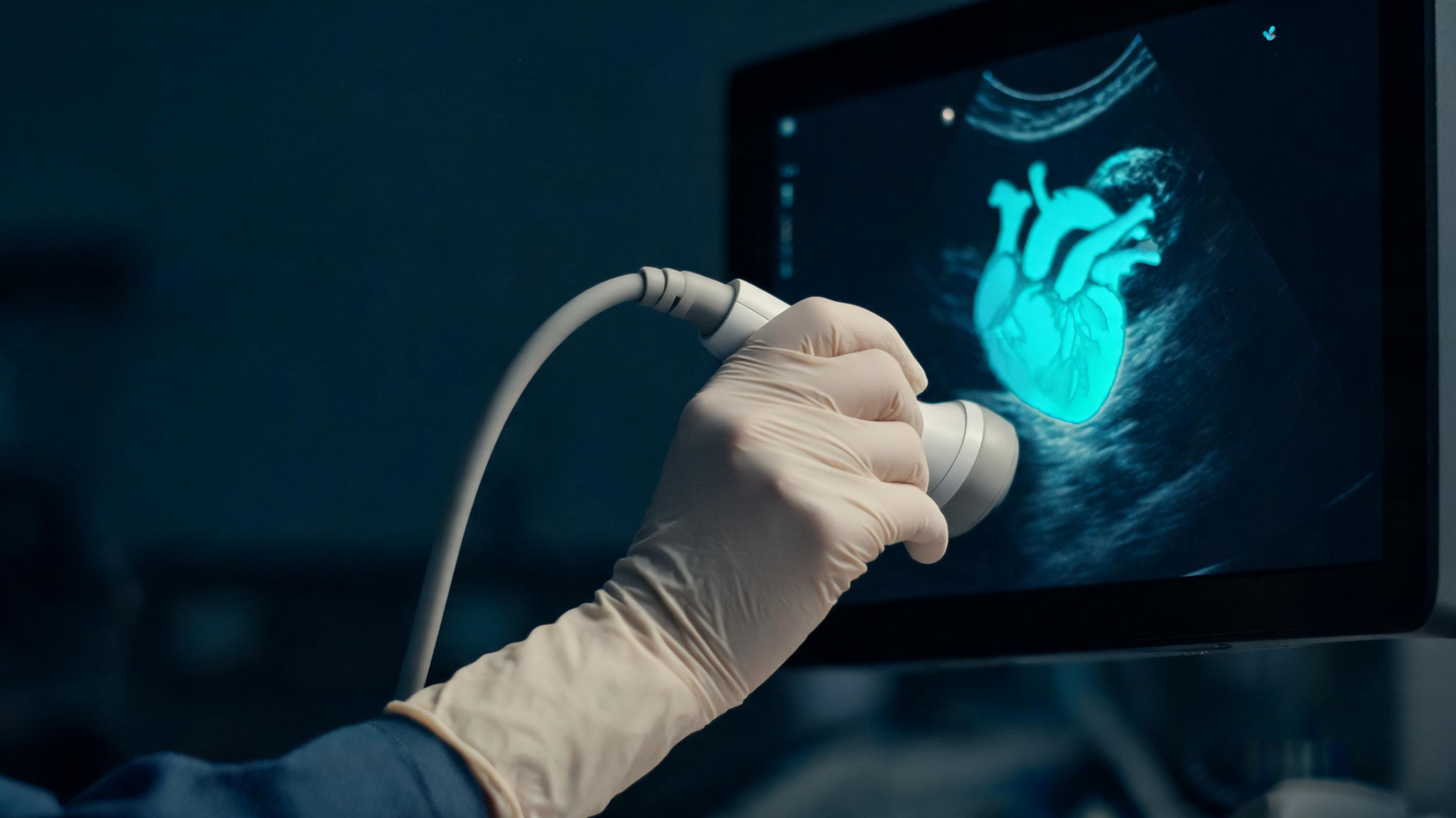
Private Echocardiogram
Ultrasound of the heart's structure and function.
Cardiac Diagnostics
Ambulatory monitoring & deeper cardiac tests.

Private Blood Tests
Cholesterol, thyroid, kidney & clotting checks.

Private GP
Same-day GP assessment to start your care.

Health MOT
A full cardiovascular risk review.
Simple & reassuring
Seen today, in three easy steps
Book in a minute
Book online any time or call reception — no GP referral needed for most appointments.
Seen the same day
A GMC-registered clinician assesses you, with heart tests done in-house where possible.
Diagnosis & plan
You leave with a clear diagnosis, your results explained, and a treatment plan.
Private assessment
See a private cardiologist for palpitations in London
At our private cardiology clinic on Whitechapel Road in East London, you can see a private cardiologist or palpitations doctor without a referral — most days, often the same day. A private GP in East London or consultant cardiologist will assess you, arrange the right tests and explain your diagnosis and treatment options clearly. We help patients across East London, Canary Wharf, the City, Docklands and Aldgate who want fast, private answers about palpitations.
Local, private, fast
A private cardiology clinic for East London & Canary Wharf
Tower Bridge Hospital is on Whitechapel Road in the heart of East London — minutes from Canary Wharf, the City of London, Docklands and Aldgate. Patients across Tower Hamlets, Wapping, Limehouse and Bethnal Green choose us for a fast, private palpitations appointment with a cardiologist, without the wait or the referral.
Why choose us
Why choose our East London private cardiology clinic
- Same-day, no referral — private GP and cardiology under one roof
- Consultant-led cardiology with GMC-registered clinicians
- In-house diagnostics — ECG, echo & monitoring, results the same visit
- Minutes from Canary Wharf & the City of London
- A named clinician who explains your results clearly
- Transparent pricing and a plan you can act on
Ready when you are
See a private cardiologist for palpitations — the same day.
Book a private palpitations assessment in East London: same-day appointments, cardiologist-led care and a clear plan. No referral needed.
Common questions
Palpitations in London: your questions answered
Where can I find a private palpitations specialist near me in East London?
Our private cardiology clinic is on Whitechapel Road in East London, minutes from Canary Wharf and the City. You can see a private cardiologist or palpitations doctor for assessment and treatment, usually the same day and without a referral.
Can I see a private cardiologist for palpitations the same day?
Yes. We hold same-day private appointments most days, including Saturdays, so you can be assessed by a cardiologist or GP quickly, with tests done in-house where possible.
How much does a private palpitations appointment cost in London?
We keep pricing transparent — see our fees page or call 020 7916 0029, and we will explain the cost of the palpitations assessment and any tests before you book.
Do I need a referral to see a private cardiologist for palpitations?
No. You can book directly with our clinic. If you are unsure whether to start with a private GP or a cardiologist, we will guide you.
When should palpitations be checked?
Palpitations with chest pain, breathlessness or blackouts need urgent care; frequent, prolonged or worrying palpitations should be assessed with an ECG.
How do you find the cause of palpitations that come and go?
With ambulatory heart monitoring worn from 24 hours up to 7 days, which captures the rhythm during an episode.
Which areas do you serve for private palpitations care?
We see private patients from across East London, Canary Wharf, the City of London, Docklands, Aldgate, Wapping, Limehouse and Tower Hamlets.
Medically reviewed by Dr Haydar Bolat — Clinical Director, GMC 7138332. Last reviewed August 2026 · next review August 2027. Written in line with our editorial & content-review policy, using guidance from the NHS, NICE and the relevant royal colleges. This information is general and does not replace personal medical advice.