
Private peripheral arterial disease clinic in London, same-day cardiology.
Peripheral arterial disease (PAD) is narrowing of the leg arteries that causes cramping leg pain on walking — and it signals wider cardiovascular risk. Our private cardiology clinic in East London offers same-day peripheral arterial disease assessment with a private cardiologist, diagnosis and a clear treatment plan — usually without a referral and often the same day.
The condition
What is peripheral arterial disease?
Peripheral arterial disease (PAD) is narrowing of the leg arteries that causes cramping leg pain on walking — and it signals wider cardiovascular risk.
- Leg pain on walking (claudication)
- Ankle-brachial index test
- Circulation assessment
- Cardiovascular risk review
- Cold or pale feet
- Smoking-related artery disease
Understanding peripheral arterial disease
Peripheral Arterial Disease: symptoms, causes, tests & treatment
Go to an emergency department immediately if a leg is
- suddenly painful, pale, cold and numb
- weak or paralysed with loss of sensation
- showing pain at rest, particularly at night, relieved by hanging the leg out of bed
- developing an ulcer or blackened area on the toes, heel or foot
- showing spreading redness with fever alongside these signs
The six Ps — pain, pallor, pulselessness, paraesthesia, paralysis, perishing cold — indicate acute limb ischaemia, which needs treatment within hours to save the limb. Rest pain and tissue loss indicate chronic limb-threatening ischaemia and need urgent vascular referral, not a routine appointment. In an emergency call 999, or go to the Royal London Hospital Emergency Department, Whitechapel Road, London E1 1FR.
Recognising claudication
- Cramping or aching in the calf, thigh or buttock on walking, at a fairly consistent distance
- Relieved within a few minutes of standing still — you do not need to sit down
- worse walking uphill, faster, or in cold weather
- cold feet, hair loss on the legs, slow-growing thickened toenails, and pale or shiny skin
- in men, erectile dysfunction can accompany aorto-iliac disease
- It is often mistaken for arthritis, sciatica or just getting older
How it is confirmed
The ankle-brachial pressure index compares blood pressure at the ankle with the arm, using a Doppler probe. It takes about fifteen minutes, is painless, and a ratio below 0.9 confirms the diagnosis. Duplex ultrasound then maps where the narrowing is. Spinal stenosis is the main mimic — that pain comes on standing as well as walking, is relieved by sitting or leaning forward rather than simply stopping, and does not follow a consistent distance.
This is a cardiovascular diagnosis
Having peripheral arterial disease means the same process is almost certainly present in the heart and neck arteries. Most people with claudication die of heart attack or stroke rather than losing a leg. That reframes the treatment: managing the cardiovascular risk is more important than treating the leg symptoms.
- Stop smoking. Nothing else comes close — it is the strongest risk factor and continuing smoking is the strongest predictor of progression and amputation.
- A statin for everyone with peripheral arterial disease, regardless of cholesterol level.
- Antiplatelet treatment, usually clopidogrel.
- Blood pressure and diabetes control.
Supervised exercise is first-line
Walk into the pain, not away from it
The evidence-based treatment for claudication is a supervised exercise programme — walking until the pain is moderate, resting until it eases, then walking again, for around 30 minutes, three times a week, for at least three months. It improves walking distance substantially, and in trials performs comparably to stenting for many people. It works by developing collateral vessels. The instinct is to avoid the pain; doing so guarantees no improvement. This is the treatment most often skipped in favour of a procedure.
Procedures
- Angioplasty and stenting for symptoms limiting quality of life despite exercise and medical treatment.
- Bypass surgery for extensive disease or where angioplasty is unsuitable.
- Urgent revascularisation for rest pain or tissue loss.
- Procedures relieve symptoms; they do not treat the underlying disease, so the medication and lifestyle measures continue regardless.
Foot care
Reduced blood supply means minor injuries heal poorly and can progress to ulcers. Check your feet daily, moisturise but not between the toes, wear well-fitting shoes, never walk barefoot, have toenails cut professionally if you cannot see or reach them, and seek help the same day for any break in the skin. This matters even more if you also have diabetes.
Same-day heart tests we offer
Everything to assess your heart, under one roof
Accurate diagnosis needs the right tests — and we offer them in-house, with results explained at the same visit.

ECG & Heart Check
Confirms the heart rhythm in minutes.
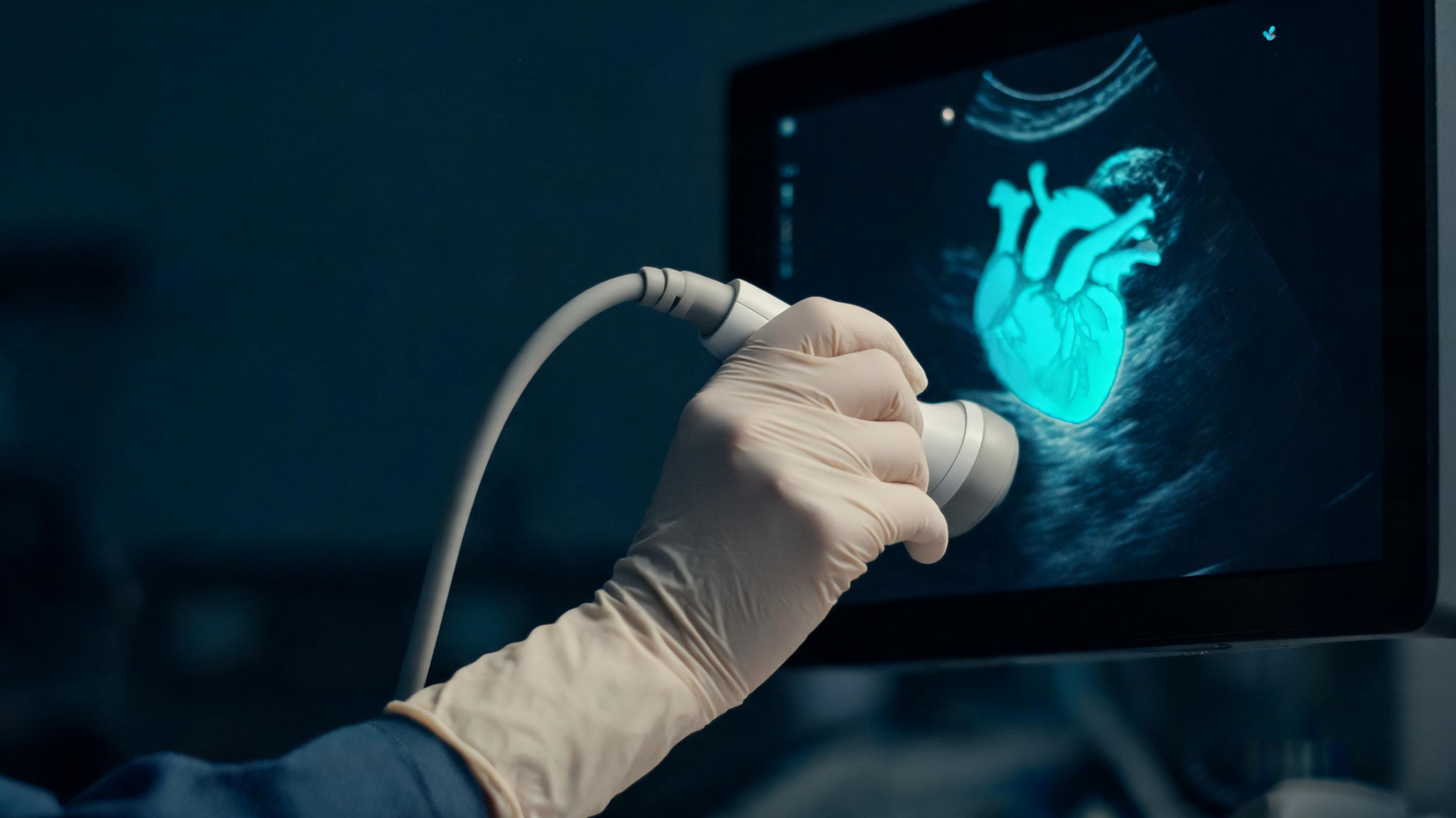
Private Echocardiogram
Ultrasound of the heart's structure and function.
Cardiac Diagnostics
Ambulatory monitoring & deeper cardiac tests.

Private Blood Tests
Cholesterol, thyroid, kidney & clotting checks.

Private GP
Same-day GP assessment to start your care.

Health MOT
A full cardiovascular risk review.
Simple & reassuring
Seen today, in three easy steps
Book in a minute
Book online any time or call reception — no GP referral needed for most appointments.
Seen the same day
A GMC-registered clinician assesses you, with heart tests done in-house where possible.
Diagnosis & plan
You leave with a clear diagnosis, your results explained, and a treatment plan.
Private assessment
See a private cardiologist for peripheral arterial disease in London
At our private cardiology clinic on Whitechapel Road in East London, you can see a private cardiologist or peripheral arterial disease doctor without a referral — most days, often the same day. A private GP in East London or consultant cardiologist will assess you, arrange the right tests and explain your diagnosis and treatment options clearly. We help patients across East London, Canary Wharf, the City, Docklands and Aldgate who want fast, private answers about peripheral arterial disease.
Local, private, fast
A private cardiology clinic for East London & Canary Wharf
Tower Bridge Hospital is on Whitechapel Road in the heart of East London — minutes from Canary Wharf, the City of London, Docklands and Aldgate. Patients across Tower Hamlets, Wapping, Limehouse and Bethnal Green choose us for a fast, private peripheral arterial disease appointment with a cardiologist, without the wait or the referral.
Why choose us
Why choose our East London private cardiology clinic
- Same-day, no referral — private GP and cardiology under one roof
- Consultant-led cardiology with GMC-registered clinicians
- In-house diagnostics — ECG, echo & monitoring, results the same visit
- Minutes from Canary Wharf & the City of London
- A named clinician who explains your results clearly
- Transparent pricing and a plan you can act on
Ready when you are
See a private cardiologist for peripheral arterial disease — the same day.
Book a private peripheral arterial disease assessment in East London: same-day appointments, cardiologist-led care and a clear plan. No referral needed.
Common questions
Peripheral Arterial Disease in London: your questions answered
Where can I find a private peripheral arterial disease specialist near me in East London?
Our private cardiology clinic is on Whitechapel Road in East London, minutes from Canary Wharf and the City. You can see a private cardiologist or peripheral arterial disease doctor for assessment and treatment, usually the same day and without a referral.
Can I see a private cardiologist for peripheral arterial disease the same day?
Yes. We hold same-day private appointments most days, including Saturdays, so you can be assessed by a cardiologist or GP quickly, with tests done in-house where possible.
How much does a private peripheral arterial disease appointment cost in London?
We keep pricing transparent — see our fees page or call 020 7916 0029, and we will explain the cost of the peripheral arterial disease assessment and any tests before you book.
Do I need a referral to see a private cardiologist for peripheral arterial disease?
No. You can book directly with our clinic. If you are unsure whether to start with a private GP or a cardiologist, we will guide you.
What are the symptoms of PAD?
Cramping pain in the calf, thigh or buttock brought on by walking and relieved by rest; in advanced cases, pain at rest or slow-healing wounds.
How is PAD assessed?
By examining your pulses and measuring the ankle-brachial index, with ultrasound where needed; treating risk factors is central to care.
Which areas do you serve for private peripheral arterial disease care?
We see private patients from across East London, Canary Wharf, the City of London, Docklands, Aldgate, Wapping, Limehouse and Tower Hamlets.
Medically reviewed by Dr Haydar Bolat — Clinical Director, GMC 7138332. Last reviewed August 2026 · next review August 2027. Written in line with our editorial & content-review policy, using guidance from the NHS, NICE and the relevant royal colleges. This information is general and does not replace personal medical advice.