
Private pulled elbow clinic in London, same-day paediatrics.
Pulled elbow happens when a young child's arm is pulled and a ligament slips over the end of the radius bone. The child stops using the arm and holds it slightly bent by their side. It is common, harmless, and corrected in a few seconds — usually with the child playing again within minutes. Our private paediatrics clinic in East London offers same-day pulled elbow assessment with a private paediatrician, diagnosis and a clear treatment plan — usually without a referral and often the same day.
The condition
What is pulled elbow?
Pulled elbow happens when a young child's arm is pulled and a ligament slips over the end of the radius bone. The child stops using the arm and holds it slightly bent by their side. It is common, harmless, and corrected in a few seconds — usually with the child playing again within minutes.
- What pulled elbow is
- Symptoms to look for
- Causes & risk factors
- Tests & diagnosis
- Treatment options
- When to see a specialist
Understanding pulled elbow
Pulled elbow: symptoms, causes, tests & treatment
Go to an emergency department instead if there is
- obvious deformity, swelling or bruising of the arm
- a history of a fall, a direct blow or a twisting injury
- pain over the collarbone, upper arm or wrist rather than the elbow
- numbness, tingling, or a cold or pale hand
- fever, or the child seems unwell
- a child over five, in whom pulled elbow is uncommon
Swelling, bruising or a history of a fall points to a fracture rather than a pulled elbow, and needs an X-ray before anyone manipulates the arm. In an emergency call 999, or go to the Royal London Hospital Emergency Department, Whitechapel Road, London E1 1FR.
How it happens
- a sudden pull on an outstretched arm — lifting a child by the hands, swinging them, or a tug as they pull away
- a child being pulled up by one arm from the floor or out of a car seat
- occasionally a roll or a minor tumble
- commonest between one and four years old, and rare after five as the ligament tightens
You have not injured your child
Parents often feel awful, particularly when it happened while they were playing or helping the child up. This is one of the most common minor injuries in toddlers, it happens to careful parents constantly, no lasting damage is done, and nobody will judge you. It is worth saying clearly because the guilt is usually worse than the injury.
What you will see
- the child suddenly stops using the arm, holding it close to the body, slightly bent, palm facing backwards
- crying at the moment it happens, then often settling — children are frequently not in obvious pain afterwards, just unwilling to move the arm
- no swelling, no bruising, no deformity
- they will use the other hand for everything, and resist you moving the affected arm
- they can usually still move the fingers and wrist normally
What we do
After examining the arm and shoulder to make sure nothing else is injured, the elbow is corrected with a quick, specific movement — either rotating the forearm palm-up while bending the elbow, or rotating it palm-down. There is often a small click. It takes a few seconds and is briefly uncomfortable.
- Most children start using the arm again within 5 to 30 minutes.
- Occasionally a second attempt is needed, or a different technique.
- X-rays are not usually required where the history is typical and there is no swelling or bruising.
- If the arm is still not being used after 30 minutes or so, imaging is arranged to exclude a fracture.
- No sling, splint or follow-up is normally needed afterwards.
Do not try to fix it yourself
It is tempting to look up the manoeuvre and try it at home. Please do not. If there is an undiagnosed fracture — and a fracture can look very similar in a distressed toddler — manipulating the arm can displace it and turn a simple injury into one needing an operation. It takes minutes to have the arm examined properly first.
Preventing it happening again
- Once it has happened, it is more likely to happen again until the child is around five.
- Lift under the armpits or around the chest, never by the hands or forearms.
- Avoid swinging a child by the arms, however much they enjoy it.
- Take extra care when a toddler pulls away suddenly in the street — hold the upper arm or use reins.
- Tell grandparents, childminders and nursery, who may not know.
Paediatrics services we offer
Expert care under one roof
From same-day GP assessment to specialist care, scans and tests — with a clear plan the same visit.
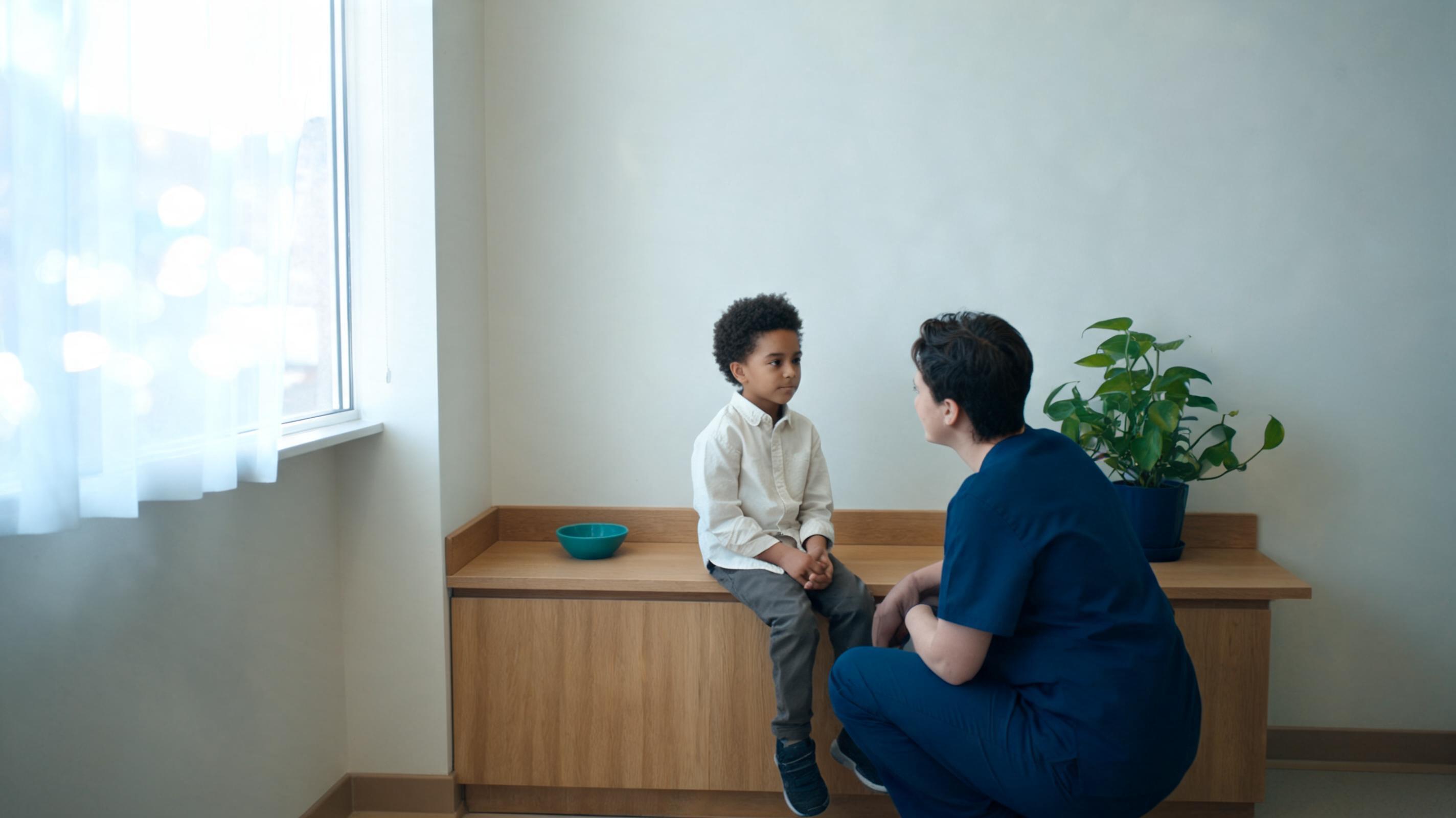
Paediatrics
Consultant children's care.
Children's GP
Same-day GP for children.
Children's Services
Everything under one roof.
Children's Blood Tests
Numbing-cream phlebotomy.
Children's Health Check
Growth & development review.

Private GP
Same-day GP to start your care.
Simple & reassuring
Seen today, in three easy steps
Book in a minute
Book online any time or call reception — no GP referral needed for most appointments.
Seen quickly
A GMC-registered clinician assesses you, with tests and scans arranged in-house where possible.
Diagnosis & plan
You leave with a clear diagnosis, treatment, and any specialist care or scan arranged.
Private assessment
See a private paediatrician for pulled elbow in London
At our private paediatrics clinic on Whitechapel Road in East London, you can see a private paediatrician or pulled elbow doctor without a referral — most days, often the same day. A private GP in East London or consultant paediatrician will assess you, arrange the right tests and explain your diagnosis and treatment options clearly. We help patients across East London, Canary Wharf, the City, Docklands and Aldgate who want fast, private answers about pulled elbow.
Local, private, fast
A private paediatrics clinic for East London & Canary Wharf
Tower Bridge Hospital is on Whitechapel Road in the heart of East London — minutes from Canary Wharf, the City of London, Docklands and Aldgate. Patients across Tower Hamlets, Wapping, Limehouse and Bethnal Green choose us for a fast, private pulled elbow appointment with a paediatrician, without the wait or the referral.
Why choose us
Why choose our East London private paediatrics clinic
- Same-day, no referral — private GP and paediatrics under one roof
- Specialist-led care with GMC-registered clinicians
- Tests & scans on site, results explained the same visit
- Minutes from Canary Wharf & the City of London
- A named clinician who explains your results clearly
- Transparent pricing and a plan you can act on
Ready when you are
See a private paediatrician for pulled elbow — the same day.
Book a private pulled elbow assessment in East London: same-day appointments, paediatrician-led care and a clear plan. No referral needed.
Common questions
Pulled elbow in London: your questions answered
Where can I find a private pulled elbow specialist near me in East London?
Our private paediatrics clinic is on Whitechapel Road in East London, minutes from Canary Wharf and the City. You can see a private paediatrician or pulled elbow doctor for assessment and treatment, usually the same day and without a referral.
Can I see a private paediatrician for pulled elbow the same day?
Yes. We hold same-day private appointments most days, including Saturdays, so you can be assessed by a paediatrician or GP quickly, with tests done in-house where possible.
How much does a private pulled elbow appointment cost in London?
We keep pricing transparent — see our fees page or call 020 7916 0029, and we will explain the cost of the pulled elbow assessment and any tests before you book.
Do I need a referral to see a private paediatrician for pulled elbow?
No. You can book directly with our clinic. If you are unsure whether to start with a private GP or a paediatrician, we will guide you.
Which areas do you serve for private pulled elbow care?
We see private patients from across East London, Canary Wharf, the City of London, Docklands, Aldgate, Wapping, Limehouse and Tower Hamlets.
Medically reviewed by Dr Haydar Bolat — Clinical Director, GMC 7138332. Last reviewed August 2026 · next review August 2027. Written in line with our editorial & content-review policy, using guidance from the NHS, NICE and the relevant royal colleges. This information is general and does not replace personal medical advice.