
Private tuberculosis clinic in London, same-day respiratory.
TB is a bacterial infection, usually of the lungs, that remains more common in London than anywhere else in the UK — and Tower Hamlets has among the highest rates in the country. It is entirely curable with the right treatment, but it is frequently diagnosed late because the symptoms build slowly. Our private respiratory clinic in East London offers same-day tuberculosis assessment with a private respiratory specialist, diagnosis and a clear treatment plan — usually without a referral and often the same day.
The condition
What is tuberculosis?
TB is a bacterial infection, usually of the lungs, that remains more common in London than anywhere else in the UK — and Tower Hamlets has among the highest rates in the country. It is entirely curable with the right treatment, but it is frequently diagnosed late because the symptoms build slowly.
- What tuberculosis is
- Symptoms to look for
- Causes & risk factors
- Tests & diagnosis
- Treatment options
- When to see a specialist
Understanding tuberculosis
Tuberculosis: symptoms, causes, tests & treatment
Seek urgent assessment if you have
- coughing up blood
- a cough lasting more than three weeks, particularly with weight loss
- drenching night sweats that soak the bedding
- unexplained weight loss and persistent fever
- severe headache, neck stiffness or confusion alongside these
- any of these with a weakened immune system or HIV
TB affecting the brain or spine is a medical emergency. If you suspect TB, telephone before attending any healthcare setting so that arrangements can be made — active lung TB spreads through the air. In an emergency call 999, or go to the Royal London Hospital Emergency Department, Whitechapel Road, London E1 1FR.
The symptoms
- a persistent cough for more than three weeks, often with phlegm and sometimes blood
- fever and night sweats, characteristically drenching
- unintentional weight loss and loss of appetite
- extreme tiredness
- chest pain, or breathlessness that is worsening
- TB outside the lungs can cause swollen lymph nodes in the neck, back pain, abdominal pain or joint swelling
Latent TB is not the same as TB disease
Most people who inhale the bacteria contain it: it lies dormant, causes no symptoms, and cannot be passed to anyone. This is latent TB. Around one in ten people with latent TB will develop active disease at some point, usually when their immune system is under strain — and that risk is far higher with HIV, diabetes, certain arthritis medications, chemotherapy or after transplant. Latent TB is detected by a blood test and can be treated to prevent it ever activating. That is the whole point of screening.
Who should be screened
- people who have lived for six months or more in a country with high TB rates — which includes much of South Asia, sub-Saharan Africa, and parts of Eastern Europe
- close contacts of someone with active TB
- anyone about to start immunosuppressive treatment, particularly biologics for arthritis, psoriasis or inflammatory bowel disease
- people with HIV, or on dialysis, or after transplant
- healthcare workers, and some visa and employment applicants
- people experiencing homelessness, and those in contact with the criminal justice system
Testing
- An IGRA blood test detects latent infection and is unaffected by previous BCG vaccination, unlike the older skin test.
- A chest X-ray looks for active disease in the lungs.
- Sputum samples — usually three, including an early morning one — confirm active TB and identify drug resistance.
- Further imaging or biopsy where TB outside the lungs is suspected.
Treatment
- A combination of antibiotics, typically four drugs for two months then two for four more. Latent TB needs a shorter course.
- You must complete the full course. Stopping early is the principal cause of drug-resistant TB, which is far harder and longer to treat.
- Rifampicin turns urine, tears and sweat orange — expected, and it stains contact lenses.
- It also reduces the effectiveness of hormonal contraception; alternative contraception is essential.
- Report jaundice, persistent vomiting, visual changes or numbness in the hands and feet promptly.
- TB treatment and care is free on the NHS regardless of immigration status, and is not reported to immigration authorities.
Respiratory services we offer
Expert care under one roof
From same-day GP assessment to specialist care, scans and tests — with a clear plan the same visit.
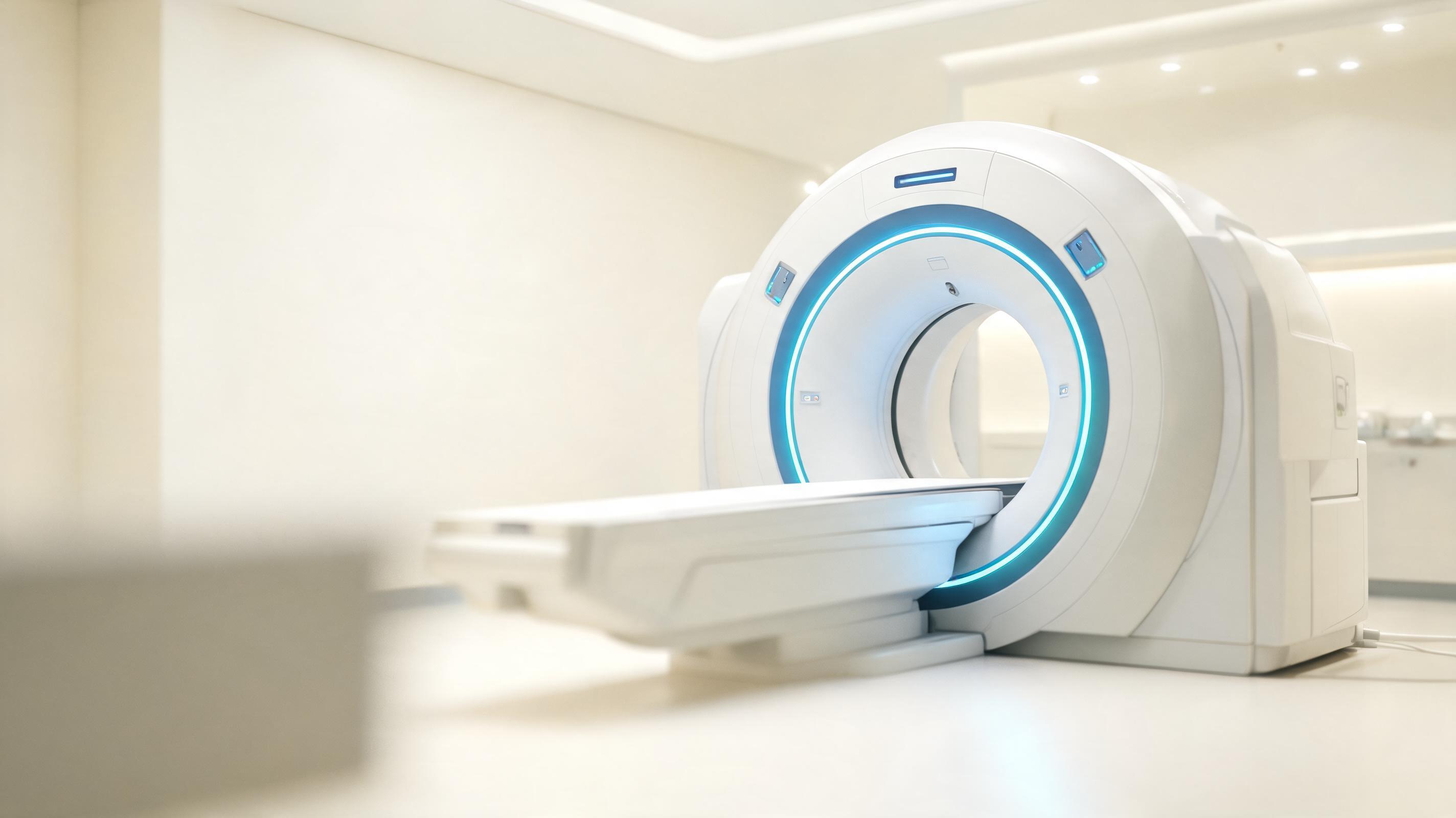
Respiratory Clinic
Lungs & breathing care.
Chest Imaging
Chest X-ray & CT access.

Private Blood Tests
Diagnostic blood tests, explained.
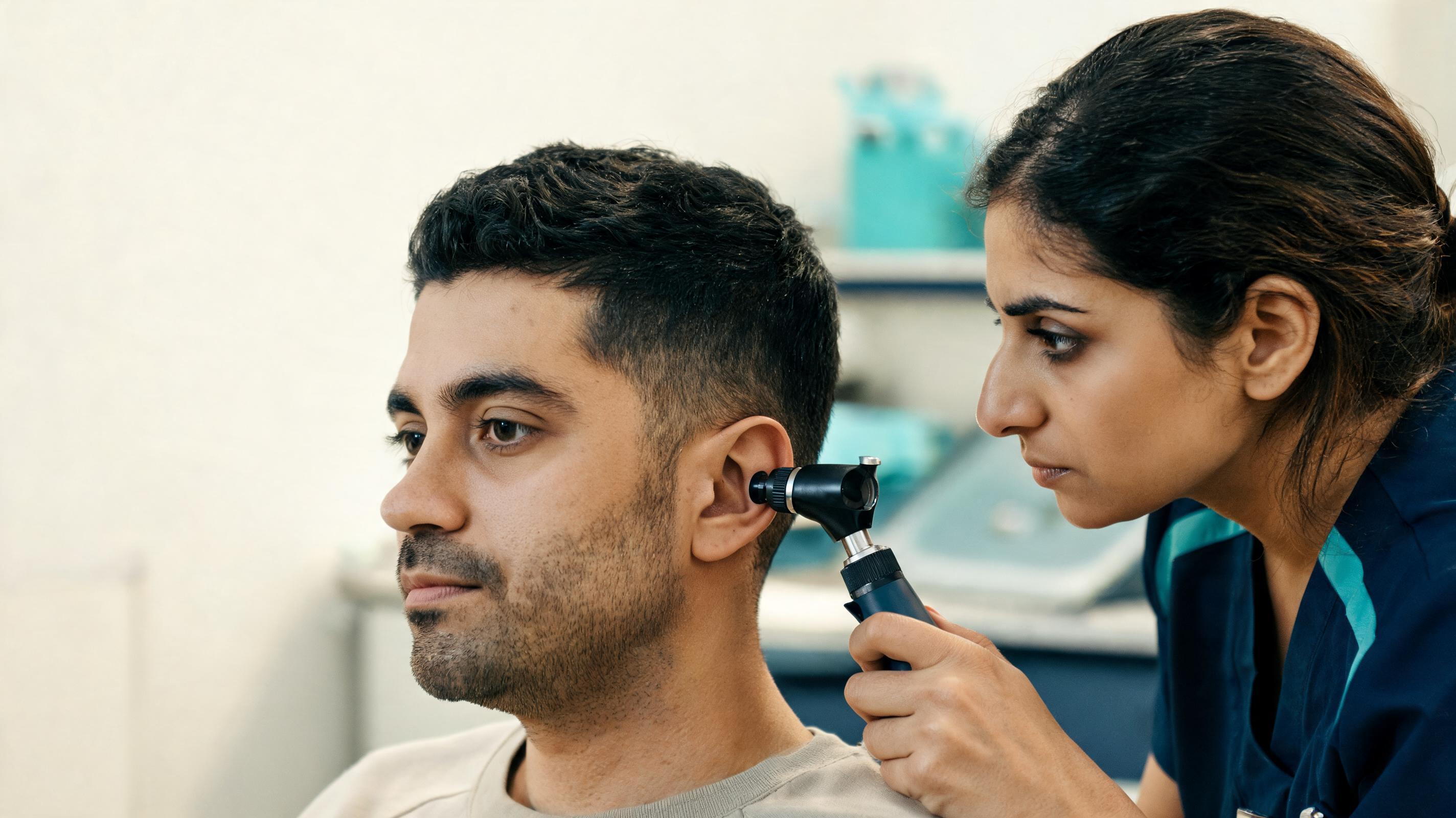
ENT Clinic
For nose, throat & cough.

Private GP
Same-day GP to start your care.
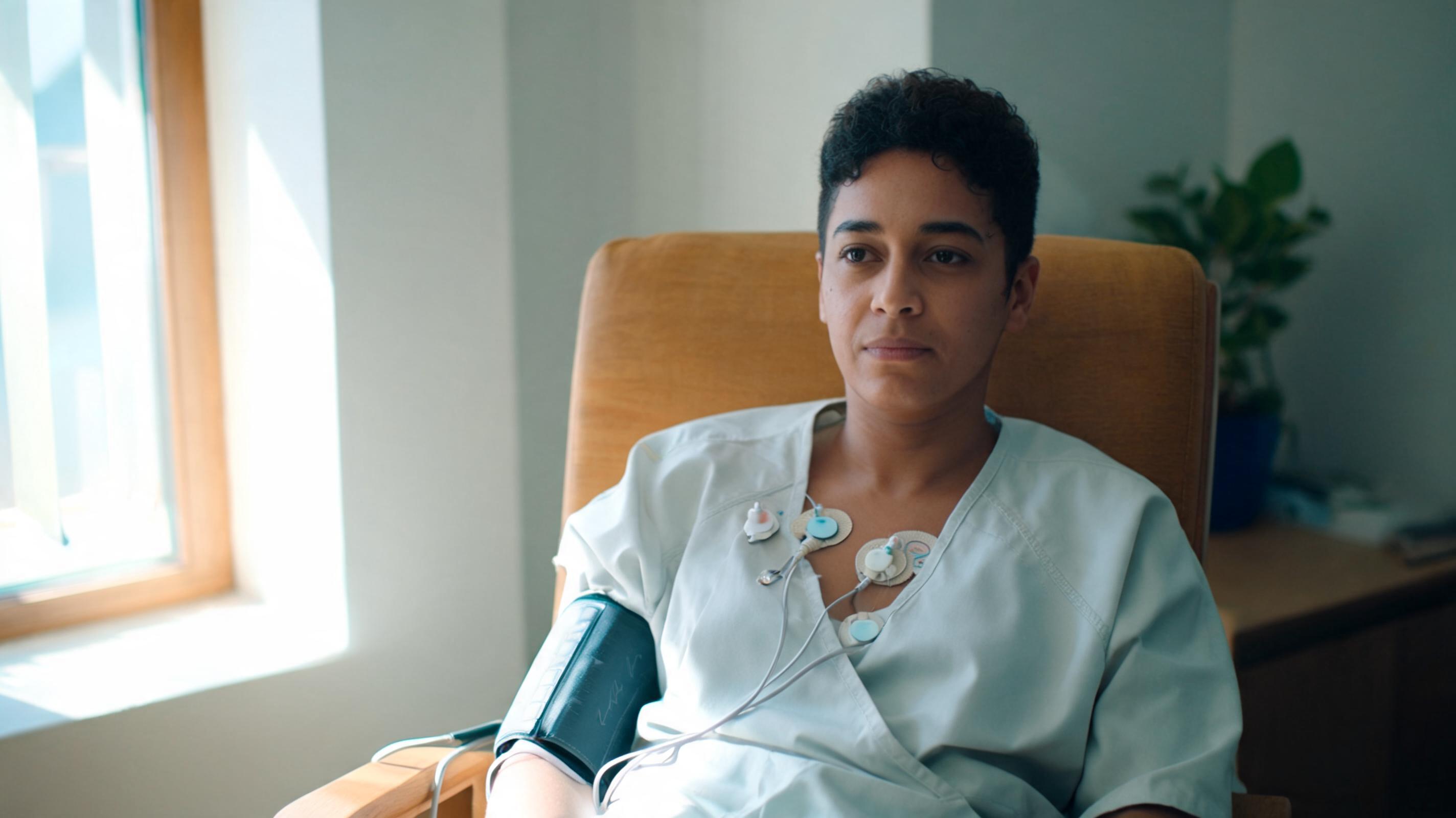
Health MOT
A full private health check.
Simple & reassuring
Seen today, in three easy steps
Book in a minute
Book online any time or call reception — no GP referral needed for most appointments.
Seen quickly
A GMC-registered clinician assesses you, with tests and scans arranged in-house where possible.
Diagnosis & plan
You leave with a clear diagnosis, treatment, and any specialist care or scan arranged.
Private assessment
See a private respiratory specialist for tuberculosis in London
At our private respiratory clinic on Whitechapel Road in East London, you can see a private respiratory specialist or tuberculosis doctor without a referral — most days, often the same day. A private GP in East London or consultant respiratory specialist will assess you, arrange the right tests and explain your diagnosis and treatment options clearly. We help patients across East London, Canary Wharf, the City, Docklands and Aldgate who want fast, private answers about tuberculosis.
Local, private, fast
A private respiratory clinic for East London & Canary Wharf
Tower Bridge Hospital is on Whitechapel Road in the heart of East London — minutes from Canary Wharf, the City of London, Docklands and Aldgate. Patients across Tower Hamlets, Wapping, Limehouse and Bethnal Green choose us for a fast, private tuberculosis appointment with a respiratory specialist, without the wait or the referral.
Why choose us
Why choose our East London private respiratory clinic
- Same-day, no referral — private GP and respiratory under one roof
- Specialist-led care with GMC-registered clinicians
- Tests & scans on site, results explained the same visit
- Minutes from Canary Wharf & the City of London
- A named clinician who explains your results clearly
- Transparent pricing and a plan you can act on
Ready when you are
See a private respiratory specialist for tuberculosis — the same day.
Book a private tuberculosis assessment in East London: same-day appointments, respiratory specialist-led care and a clear plan. No referral needed.
Common questions
Tuberculosis in London: your questions answered
Where can I find a private tuberculosis specialist near me in East London?
Our private respiratory clinic is on Whitechapel Road in East London, minutes from Canary Wharf and the City. You can see a private respiratory specialist or tuberculosis doctor for assessment and treatment, usually the same day and without a referral.
Can I see a private respiratory specialist for tuberculosis the same day?
Yes. We hold same-day private appointments most days, including Saturdays, so you can be assessed by a respiratory specialist or GP quickly, with tests done in-house where possible.
How much does a private tuberculosis appointment cost in London?
We keep pricing transparent — see our fees page or call 020 7916 0029, and we will explain the cost of the tuberculosis assessment and any tests before you book.
Do I need a referral to see a private respiratory specialist for tuberculosis?
No. You can book directly with our clinic. If you are unsure whether to start with a private GP or a respiratory specialist, we will guide you.
Which areas do you serve for private tuberculosis care?
We see private patients from across East London, Canary Wharf, the City of London, Docklands, Aldgate, Wapping, Limehouse and Tower Hamlets.
Medically reviewed by Dr Haydar Bolat — Clinical Director, GMC 7138332. Last reviewed August 2026 · next review August 2027. Written in line with our editorial & content-review policy, using guidance from the NHS, NICE and the relevant royal colleges. This information is general and does not replace personal medical advice.